
What's Happening?
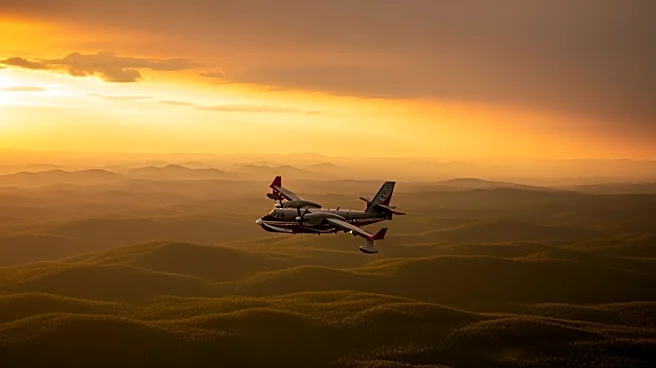
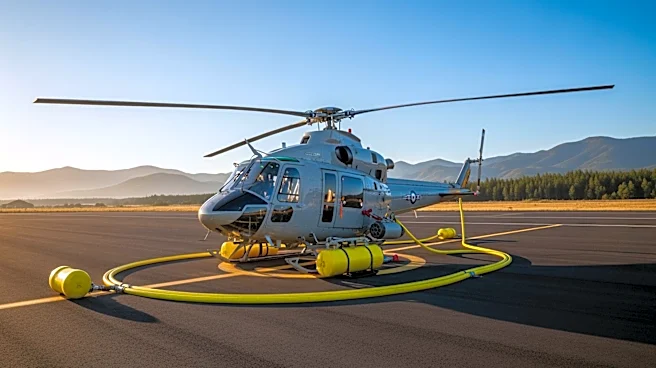
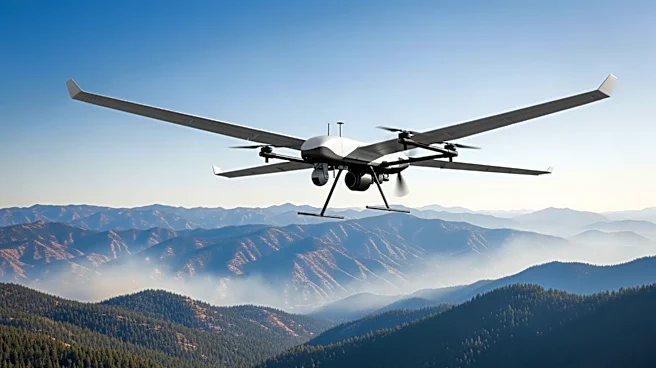
As Colorado anticipates a challenging wildfire season, the state's Division of Fire Prevention and Control is preparing to utilize its airborne fleet to enhance wildfire detection and response. The fleet,
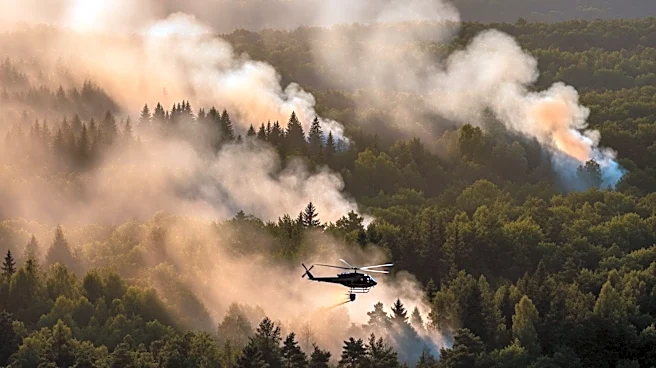
consisting of state-owned aircraft, will play a crucial role in early fire detection and in assisting firefighting efforts once fires ignite. This proactive approach aims to mitigate the impact of wildfires, which have become increasingly frequent and severe due to climate change and other factors. The use of aircraft allows for rapid assessment and response, potentially reducing the damage caused by wildfires.
Why It's Important?
Wildfires pose significant threats to communities, ecosystems, and economies, particularly in states like Colorado where they are becoming more common. The use of an airborne fleet for early detection and response is a critical component of wildfire management, as it can help prevent small fires from becoming large, uncontrollable blazes. This approach not only protects lives and property but also reduces the economic costs associated with wildfire damage and firefighting efforts. Additionally, it highlights the importance of investing in advanced technologies and resources to address the growing challenges posed by wildfires.
What's Next?
As the wildfire season progresses, Colorado's Division of Fire Prevention and Control will continue to monitor conditions and deploy its airborne fleet as needed. The effectiveness of this strategy will be evaluated, potentially informing future wildfire management practices. Other states may also look to Colorado's approach as a model for enhancing their own wildfire response capabilities. Continued investment in technology and resources will be essential to improving wildfire preparedness and resilience in the face of climate change.