



What's Happening?
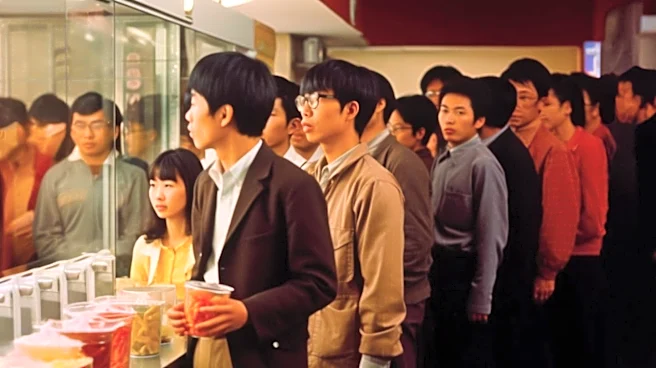
The 1970s saw a significant shift in American dietary habits, largely driven by an increasing number of mothers entering the workforce. This societal change led to a greater reliance on convenience foods, which were processed, frozen, dehydrated, or canned,
making meal preparation easier for families. During this period, certain nutrition myths gained traction, such as the belief that high-fructose corn syrup, a more affordable and shelf-stable alternative to sugar, was not unhealthy. This ingredient became prevalent in many processed sweet treats, contributing to their abundance on grocery shelves. The era's fascination with space exploration and sports heroes also influenced popular food trends and marketing. These factors collectively shaped the food landscape, introducing a variety of processed snacks and meal replacements like Carnation Breakfast Bars, which were marketed as nutritious alternatives to traditional meals.
Why It's Important?
The widespread adoption of convenience foods and the prevailing nutrition myths of the 1970s have had long-term implications for public health in the U.S. The increased consumption of processed foods, often high in sugar and less nutritious, laid the groundwork for dietary patterns that continue to affect health outcomes today. The normalization of ingredients like high-fructose corn syrup in everyday snacks contributed to a shift away from whole, unprocessed foods. This historical context is crucial for understanding current public health challenges, including rising rates of diet-related illnesses. The legacy of the 1970s food industry practices and consumer habits highlights how societal changes, marketing, and nutritional understanding can profoundly impact a nation's health over decades, influencing everything from food policy to individual dietary choices.
What's Next?
Understanding the historical impact of 1970s food trends can inform future public health initiatives and dietary guidelines. There is a growing movement to re-evaluate and potentially revive certain 'forgotten' snacks from that era, suggesting a nostalgic interest in past food items. However, any such revival would need to contend with modern nutritional science and public health concerns regarding processed foods. The ongoing debate about the healthfulness of convenience foods and the role of ingredients like high-fructose corn syrup will likely continue to shape food production and consumption patterns. Future efforts may focus on educating consumers about balanced nutrition, promoting whole foods, and encouraging food manufacturers to develop healthier convenience options that align with contemporary dietary recommendations, moving beyond the nutritional misconceptions of the past.
Beyond the Headlines
The story of 1970s convenience foods extends beyond mere dietary shifts; it reflects broader cultural and economic transformations in the U.S. The entry of more women into the workforce, while a significant step for gender equality, inadvertently fueled the demand for quick and easy meal solutions, leading to a boom in the processed food industry. This era also highlights the power of marketing and the influence of scientific understanding (or misunderstanding) on public perception of health. The long-term health consequences underscore the ethical responsibilities of food manufacturers and the importance of robust, evidence-based nutritional guidance. It also raises questions about the balance between convenience and health, a tension that continues to define modern food culture and policy, impacting everything from school lunch programs to agricultural subsidies.