




What's Happening?
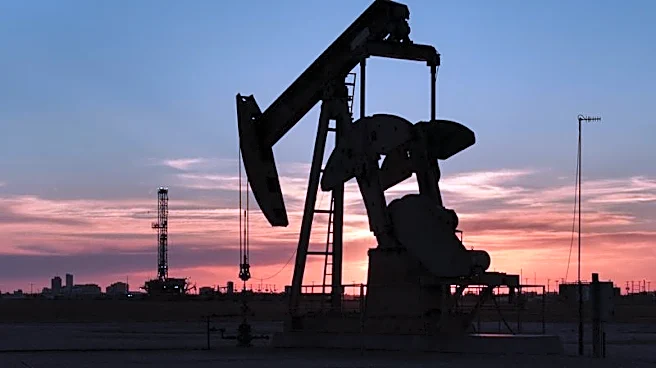
Americans' confidence in the economy has decreased as gas prices rise following escalated tensions between the U.S. and Iran. The Conference Board reported a drop in its consumer confidence index to 90.8 in July from 92.2 in June. The increase in gas prices,
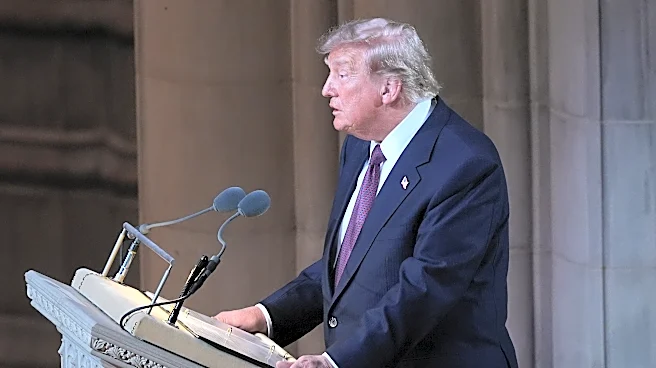
now averaging $4.10 per gallon, is attributed to Iran's closure of the Strait of Hormuz after being attacked by the U.S. and Israel. This closure has disrupted the flow of oil, causing inflation to accelerate and reducing Americans' inflation-adjusted incomes. The ongoing conflict and economic conditions pose challenges for President Trump and the Republican Party ahead of the midterm elections.
Why It's Important?
The rise in gas prices and subsequent inflation have significant implications for the U.S. economy and consumer behavior. Higher fuel costs increase transportation expenses, affecting both individuals and businesses. The economic strain could lead to reduced consumer spending, impacting various sectors. The situation also presents political challenges for President Trump, as economic conditions are a critical factor in voter sentiment. The administration's handling of the Iran conflict and its economic repercussions could influence the outcome of the upcoming midterm elections.
What's Next?
As the conflict with Iran continues, further disruptions in oil supply could exacerbate inflation and economic instability. The U.S. government may need to explore diplomatic solutions to de-escalate tensions and stabilize the oil market. Additionally, policymakers might consider measures to mitigate the impact of rising prices on consumers, such as temporary tax relief or subsidies. The outcome of the midterm elections could also shape future economic policies and the administration's approach to international relations.