






What's Happening?
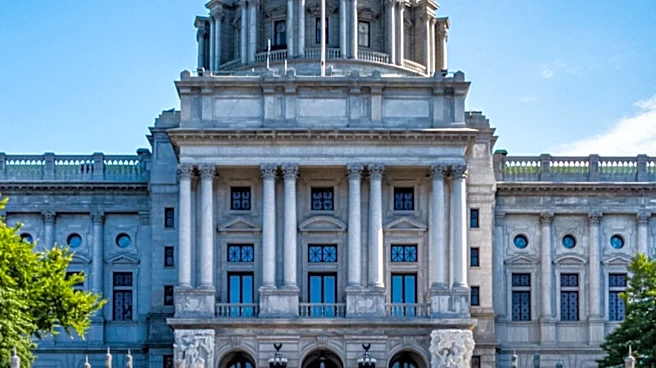
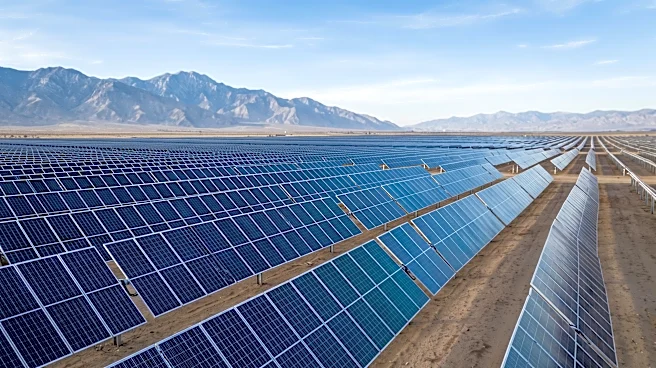
The New Hampshire Department of Administrative Services, Bureau of Purchase and Property, has issued a Request for Information (RFI) to gather market data on expanding the state's involvement in renewable energy, with a particular focus on solar power.
The state currently utilizes Group Net Metering agreements for in-state hydro and solar generation, which feed into the grid and provide financial benefits to eligible state accounts. The RFI aims to explore various solar-market opportunities and off-taker agreements, including Power Purchase Agreements, Community Solar, and renewable energy rebates. New Hampshire is seeking information on projects available for immediate consideration or within the next six years, how Renewable Energy Certificate (REC) market participation could impact state property projects, and options for balancing solar, wind, and hydro generation. The state is also interested in minimum agreement terms and termination options. This initiative is part of New Hampshire's broader strategy to reduce fossil-fuel use, manage energy procurement volatility, and control costs, with renewable generation intended to feed the grid rather than directly supply state buildings.
Why It's Important?
This RFI signifies New Hampshire's proactive approach to transitioning towards a more sustainable energy portfolio and reducing its reliance on fossil fuels. By exploring diverse procurement options and market mechanisms, the state aims to leverage renewable energy to achieve cost savings and greater energy independence. The focus on solar, alongside existing hydro and wind considerations, indicates a comprehensive strategy to diversify its energy mix. The potential for increased renewable energy projects within the state could stimulate local economic growth through job creation in the renewable energy sector and attract investment. Furthermore, by seeking information on REC market participation, New Hampshire is looking to optimize the financial benefits of its renewable energy initiatives, potentially creating a more robust and self-sustaining clean energy economy. This move could also serve as a model for other states looking to expand their renewable energy footprint through strategic market engagement.
What's Next?
Following the RFI, the New Hampshire Department of Administrative Services will evaluate the submitted market information to inform its strategy for expanding renewable energy participation. This evaluation will likely lead to the development of specific procurement solicitations or pilot programs based on the most promising opportunities identified. The state may engage in further discussions or presentations with respondents to gather additional details. The insights gained will guide policy decisions and investment strategies aimed at integrating more solar, wind, and hydro generation into the state's energy grid. Future steps could include the issuance of Requests for Proposals (RFPs) for specific renewable energy projects, the establishment of new partnership models with energy developers, or the implementation of updated policies to facilitate renewable energy adoption. The state's goal is to move towards tangible projects that reduce its carbon footprint and stabilize energy costs for state properties.
Beyond the Headlines
The New Hampshire RFI reflects a broader national trend among states to take greater control over their energy futures, driven by concerns over climate change, energy security, and economic stability. By actively seeking market input, New Hampshire is demonstrating a commitment to informed decision-making in its energy transition. This approach could foster innovation within the state's energy sector and encourage the development of tailored solutions that address its specific energy needs and resources. The emphasis on feeding renewable generation into the grid rather than directly supplying state buildings suggests a strategic vision for grid modernization and resilience. This initiative also highlights the evolving role of state governments as key drivers in the national shift towards clean energy, often acting as catalysts for private sector investment and technological advancement. The success of such initiatives can provide valuable lessons for other states navigating similar energy transitions.