
What's Happening?
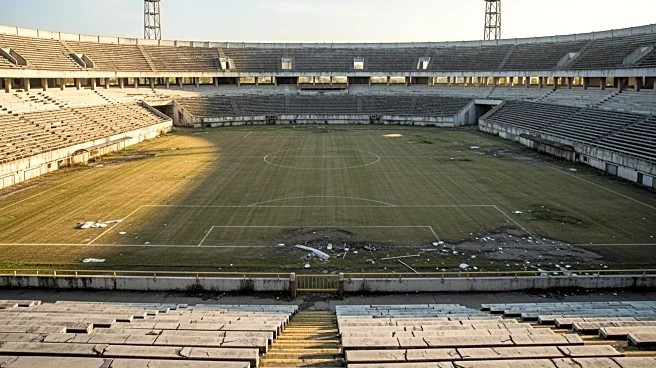
Olympic host cities often invest heavily in infrastructure to accommodate the Games, building stadiums, villages, and other facilities. However, once the events conclude, these venues frequently fall into
disuse. The article highlights several examples of such abandoned sites, including the beach volleyball stadium in Athens from the 2004 Olympics and the bobsleigh track in Sarajevo from the 1984 Winter Olympics. These facilities, once bustling with activity, now stand empty, symbolizing the challenges cities face in maintaining and repurposing Olympic infrastructure. The financial burden of hosting the Olympics is significant, with Athens' 2004 Games costing approximately 8.5 billion euros, yet many of its venues remain underutilized.
Why It's Important?
The abandonment of Olympic venues underscores the economic and logistical challenges associated with hosting the Games. Cities invest billions in infrastructure, hoping to boost tourism and local economies. However, the long-term benefits often fail to materialize, leaving cities with costly maintenance and underused facilities. This situation raises questions about the sustainability of the Olympic model and the need for more effective post-Games planning. The financial strain can impact public services and local economies, as funds are diverted to maintain these structures. The issue also highlights the importance of strategic planning and community engagement in ensuring that Olympic investments benefit host cities in the long run.
What's Next?
Future host cities may need to reconsider their approach to Olympic planning, focusing on sustainable development and legacy use of facilities. This could involve designing multi-purpose venues that serve community needs beyond the Games or investing in temporary structures that can be dismantled post-event. Additionally, the International Olympic Committee (IOC) might play a role in encouraging sustainable practices and providing guidance on legacy planning. As cities bid for future Games, they may prioritize proposals that demonstrate clear plans for post-Olympic use, ensuring that the infrastructure benefits the community and mitigates financial risks.
Beyond the Headlines
The abandonment of Olympic venues also reflects broader cultural and ethical considerations. The spectacle of the Olympics often overshadows the long-term impacts on host communities, including displacement and environmental concerns. The focus on grandeur and global prestige can lead to decisions that prioritize short-term gains over sustainable development. This situation calls for a reevaluation of the values and priorities that drive Olympic planning, emphasizing community well-being and environmental stewardship. By addressing these issues, the Olympic movement can evolve to better align with contemporary social and environmental goals.