







What's Happening?
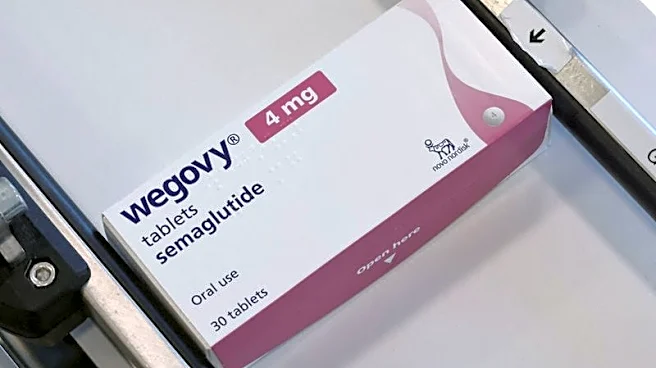
A new series of papers presented at the European Association for the Study of Diabetes (EASD) and published in The Lancet Obstetrics, Gynaecology & Women's Health reveals significant research gaps concerning the use of GLP-1 receptor agonists (GLP-1 RAs)
in women, despite women being the predominant users of these medications. The research indicates that GLP-1 RAs lead to greater weight loss in women than men, with comparable glycemic benefits. However, real-world data shows women report a higher frequency of adverse effects, including headache, vomiting, and dizziness, compared to men. Critical evidence gaps persist in areas such as reproductive safety, mental health, menopause, and long-term body composition for women using these drugs. The authors, including Professor Paul Franks and Professor Claire Meek, are calling for extensive research across various domains, emphasizing the need for sex- and ethnicity-stratified trials and equitable access to GLP-1 RAs globally, particularly in low- and middle-income countries (LMICs).
Why It's Important?
This research is crucial because it exposes a significant oversight in the development and understanding of medications widely used by women. The disproportionate impact of GLP-1 RAs on women, both in terms of efficacy and adverse effects, necessitates targeted research to ensure safe and effective treatment. The lack of data on reproductive safety, mental health, and long-term effects during menopause for women using these drugs poses substantial health risks and limits informed clinical decision-making. Furthermore, the call for equitable access highlights global health disparities, as many women in LMICs who meet the criteria for GLP-1 RAs cannot afford them, despite the drugs being potentially manufacturable at a low cost. Addressing these research gaps and access issues is vital for optimizing women's health outcomes, preventing multimorbidity, and ensuring that medical advancements benefit all populations fairly.
What's Next?
The authors are issuing a call to action for companies, healthcare funders, research funders, insurers, and policymakers to promote equitable access to high-quality GLP-1 RAs for women worldwide and to prioritize women-centered research. This includes making sex-stratified and ethnicity-stratified reporting of clinical trials mandatory to facilitate future meta-analyses. Future research needs to focus on mental health and eating disorders, contraception, fertility, polyendocrine metabolic ovarian syndrome, pre-pregnancy health optimization, safety during pregnancy and breastfeeding, and optimizing health and body composition during menopause. Additionally, studies are needed to quantify side-effect profiles in women and develop mitigation strategies, as well as to understand the long-term effects of weight regain after stopping GLP-1 RAs. Coordinated action is required to strengthen supply chains, enhance regulatory vigilance against falsified products, and embrace innovative, affordable therapies.
Beyond the Headlines
The findings underscore a broader systemic issue within medical research: the historical tendency to use male physiology as the default for studies, leading to a lack of understanding of sex-specific differences in drug responses. This 'bikini medicine' approach, as described in other contexts, has created dangerous consequences for women's health. The fact that women are the primary users of GLP-1 RAs, yet critical research gaps persist, highlights a continued need for a paradigm shift towards inclusive and sex-disaggregated research. The economic implications are also significant, as the high cost of these drugs in many regions creates a barrier to access for women, particularly in LMICs, exacerbating existing health inequalities. This situation calls for a re-evaluation of pharmaceutical pricing models and a commitment to global health equity, ensuring that life-changing medications are accessible to all who need them, regardless of gender or socioeconomic status.