






What's Happening?
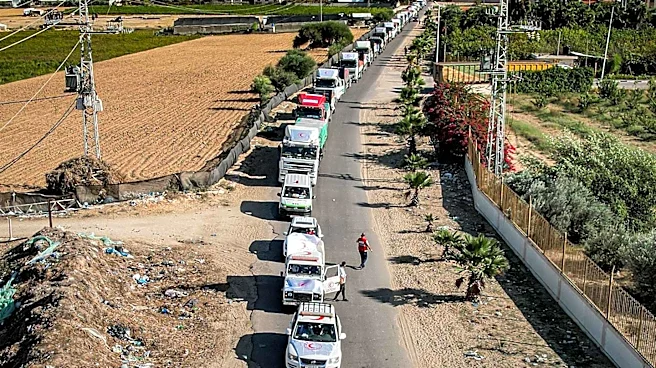
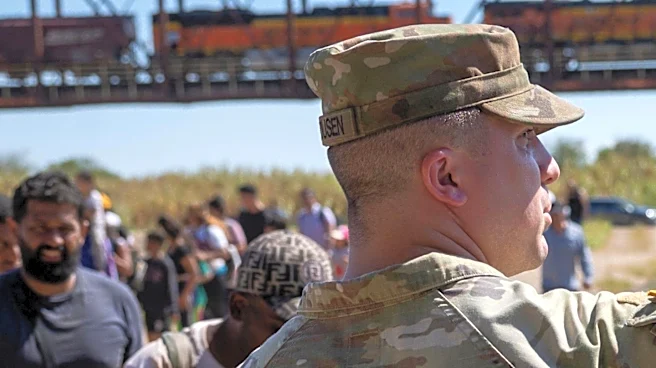
The U.S. Army is actively recruiting Civil Affairs Specialists (38B), individuals who serve as a crucial link between the Army and local civilian populations globally. These specialists are tasked with identifying critical resources that local citizens
may require during missions or crisis situations. Their responsibilities include fostering and maintaining dialogue with civilian aid agencies and relief organizations. They also coordinate, conduct, and participate in the planning and production of civil affairs-related documents. This role is vital for ensuring effective communication and cooperation between military operations and civilian needs, particularly in sensitive or emergency environments. Applicants must be U.S. citizens, aged 17 to 34, possess a high school diploma or GED, and meet specific physical and mental requirements.
Why It's Important?
The recruitment of Civil Affairs Specialists is significant for enhancing the U.S. Army's ability to operate effectively in complex global environments. These specialists play a critical role in mitigating potential conflicts between military objectives and civilian welfare, thereby improving the overall success and legitimacy of operations. By facilitating communication and understanding, they help build trust and cooperation with local communities, which is essential for long-term stability and security. Their work in identifying and addressing civilian needs can prevent humanitarian crises from escalating and can contribute to post-conflict reconstruction efforts. This specialized role underscores the evolving nature of modern military engagements, where non-combat functions are increasingly vital for achieving strategic goals.
What's Next?
Prospective Civil Affairs Specialists will undergo a rigorous training program, including 10 weeks of Basic Training and 13 weeks of Advanced Individual Training. This training will equip them with skills in civil affairs, cultural awareness, communications, and humanitarian aid. The Army will likely continue to emphasize the importance of these roles, potentially expanding recruitment efforts and refining training curricula to meet evolving global challenges. As the demand for nuanced military engagement grows, the role of Civil Affairs Specialists is expected to become even more central to U.S. foreign policy and defense strategies, requiring continuous adaptation and development of their expertise.
Beyond the Headlines
The role of Civil Affairs Specialists extends beyond immediate operational support, contributing to broader geopolitical objectives. By fostering positive relationships with local populations, these specialists help counter negative perceptions of military intervention and promote a more stable international order. Their work in humanitarian aid and community engagement can also serve as a powerful tool for soft power, demonstrating the U.S.'s commitment to global well-being. Ethically, their presence ensures that military actions are conducted with a greater awareness of civilian impact, promoting responsible and humane operations. This specialization reflects a growing recognition within the military of the interconnectedness of security, development, and human rights.