


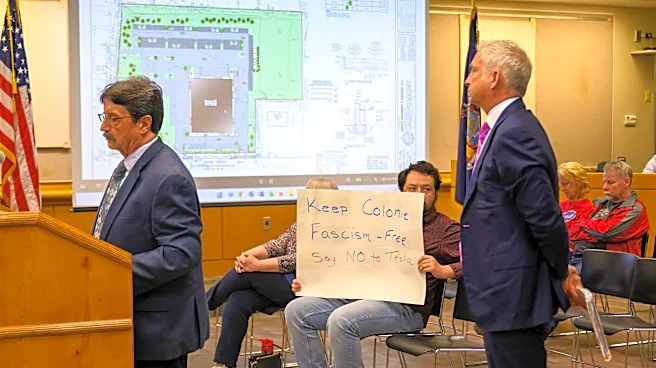
What's Happening?
Burlington City Hall has introduced a new set of rules that limit public access to the building. These restrictions dictate where visitors are permitted to go within the facility and the duration of their stay. The changes come in direct response to what
officials describe as aggressive behavior from critics. The new regulations aim to manage public interactions and maintain order within the municipal building. This move signifies a shift in how the city manages public engagement and access to its administrative offices, reflecting growing concerns over the conduct of some individuals during public interactions. The specific details of the new rules outline designated public areas and time limits, which were not previously in place, indicating a more controlled environment for visitors.
Why It's Important?
These new restrictions at Burlington City Hall are important because they reflect a broader trend of public institutions grappling with increased tension and aggressive interactions from constituents. The implementation of such rules can impact civic engagement and the public's ability to access local government services and officials. While intended to ensure safety and order, these measures could also be perceived as limiting transparency and public participation in local governance. For residents, it means a more structured and potentially less spontaneous interaction with city officials and departments. The situation highlights the challenges faced by local governments in balancing open access with the need to protect staff and maintain a functional environment, potentially setting a precedent for other municipalities experiencing similar issues.
What's Next?
The immediate next steps will involve the enforcement and public adaptation to these new access rules at Burlington City Hall. City officials will likely monitor the effectiveness of the restrictions in mitigating aggressive behavior and maintaining order. There may be public discussions or feedback sessions regarding the impact of these rules on community access and engagement. Stakeholders, including local advocacy groups and concerned citizens, might voice their opinions on whether the new measures strike an appropriate balance between security and public accessibility. Depending on the public's reaction and the ongoing situation, the city may either maintain, modify, or further refine these restrictions. The long-term implications could include a re-evaluation of public interaction policies in municipal buildings across the region.
Beyond the Headlines
Beyond the immediate operational changes, the new restrictions at Burlington City Hall point to deeper societal issues regarding civility in public discourse and the increasing polarization of local politics. The need for such measures suggests a breakdown in respectful communication between some members of the public and government representatives. This development could lead to broader conversations about the role of public spaces in a democratic society and the boundaries of free expression versus disruptive behavior. Ethically, it raises questions about the balance between ensuring a safe working environment for public servants and upholding the principles of open government and public accountability. Culturally, it may reflect a growing impatience and frustration among certain segments of the population, leading to more confrontational approaches in expressing dissent.