


What's Happening?
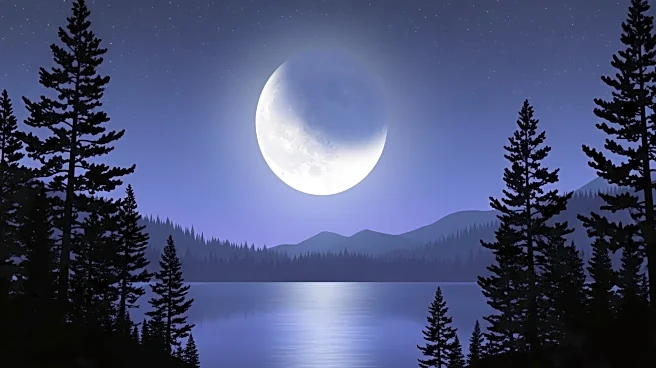
A total lunar eclipse, often referred to as a 'blood moon,' will occur on March 3, 2026, and will be visible across the night side of Earth, including the Pacific and the western half of North America. This celestial event happens when the moon passes
into Earth's shadow, causing it to appear reddish due to the filtering of sunlight through Earth's atmosphere. The eclipse will be best viewed from locations with minimal light pollution and clear skies. In the U.S., prime viewing spots include Grand Canyon National Park in Arizona, Horsetooth Mountain in Colorado, and Joshua Tree National Park in California. These locations are known for their dark skies, making them ideal for stargazing and observing the eclipse. The event will not be repeated until New Year's Eve 2028-2029.
Why It's Important?
The total lunar eclipse presents a unique opportunity for both amateur and professional astronomers to observe a rare astronomical event. It also serves as an educational moment for the public to learn more about lunar eclipses and the science behind them. The event can boost local tourism in areas known for their dark skies, as enthusiasts travel to these locations to get the best view. Additionally, it highlights the importance of preserving dark sky areas to reduce light pollution, which is crucial for astronomical observations.
What's Next?
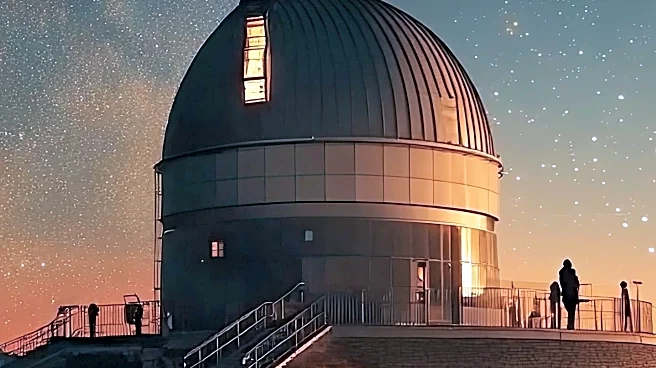
As the date of the eclipse approaches, weather forecasts will become more reliable, allowing observers to choose the best locations for viewing. Local astronomy clubs and observatories may organize public viewing events, providing telescopes and expert guidance. This event could also inspire discussions on the importance of dark sky preservation and the impact of light pollution on astronomical research.