







What's Happening?
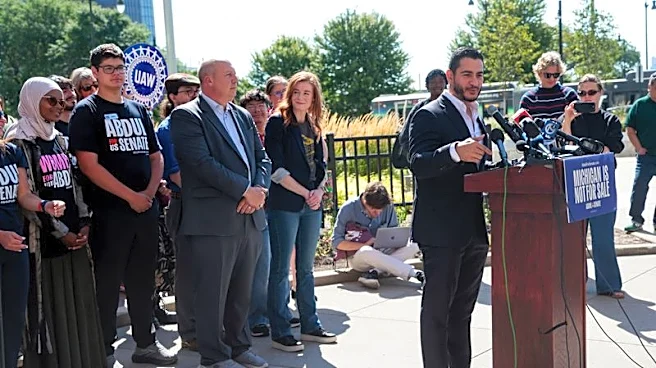
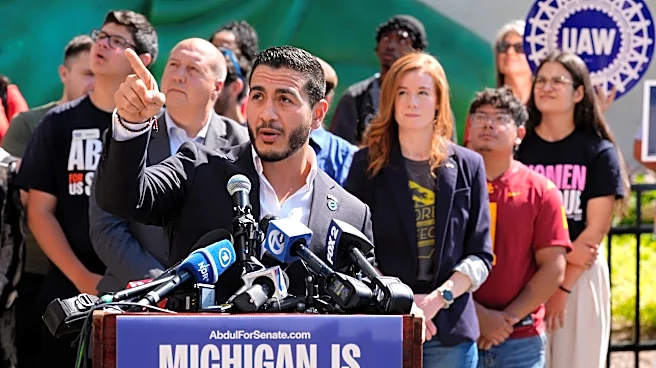
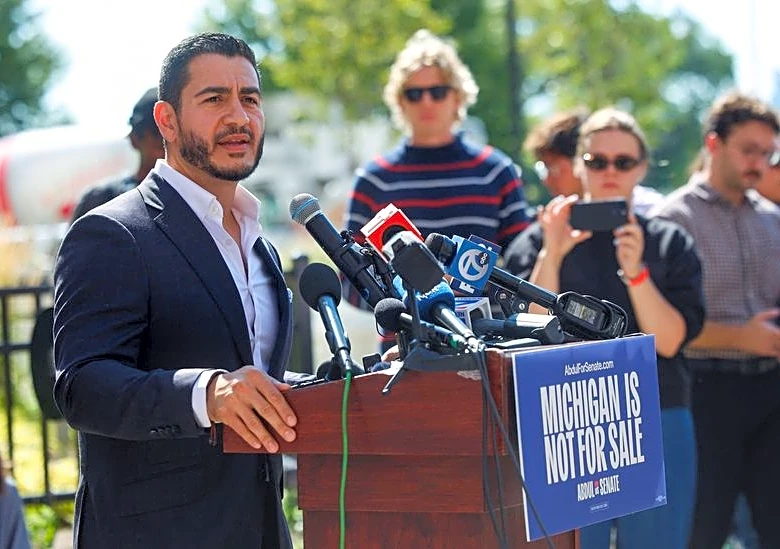
Michigan Representative Haley Stevens is facing criticism in her Senate campaign for her support of U.S. military aid to Israel, a stance that has become increasingly controversial within the Democratic Party. Stevens, who has received significant financial
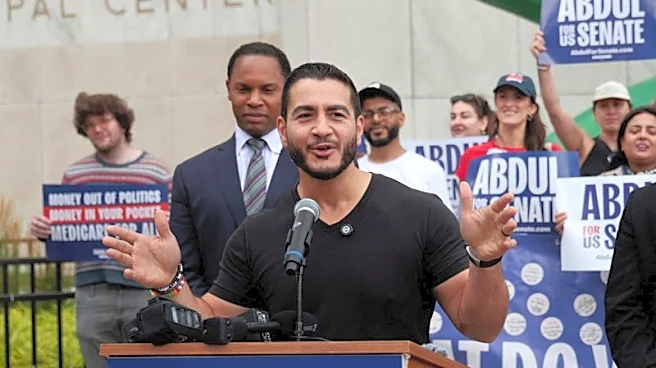
backing from the American Israel Public Affairs Committee (AIPAC), argues that military aid is essential for achieving a two-state solution and long-term peace in the region. Her opponent, Abdul El-Sayed, has criticized this position, labeling Israel's actions in Gaza as 'genocide' and questioning Stevens' acceptance of AIPAC donations. The race has become one of the most expensive in the country, with millions of dollars spent on both sides.
Why It's Important?
The Michigan Senate race highlights the growing divide within the Democratic Party over U.S. foreign policy, particularly regarding Israel. Stevens' support for military aid reflects a more traditional Democratic stance, while El-Sayed's criticism aligns with a progressive shift that questions unconditional support for Israel. This division could have significant implications for the party's future foreign policy positions and its ability to unify around key issues. The race also underscores the influence of external funding in political campaigns and the ethical considerations surrounding such contributions.
What's Next?
As the primary election approaches, both candidates will continue to emphasize their differing positions on U.S. policy towards Israel. The outcome of the race will provide insights into the Democratic Party's direction on foreign policy and the influence of progressive candidates. The broader implications for U.S.-Israel relations and the party's ability to address internal divisions will be closely monitored. The role of external funding in shaping political campaigns will also remain a topic of debate.