


What's Happening?
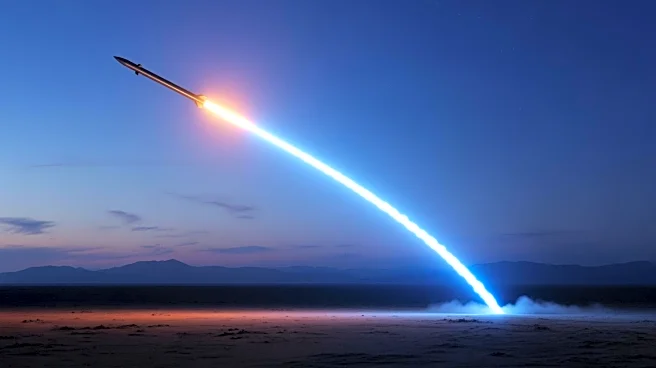
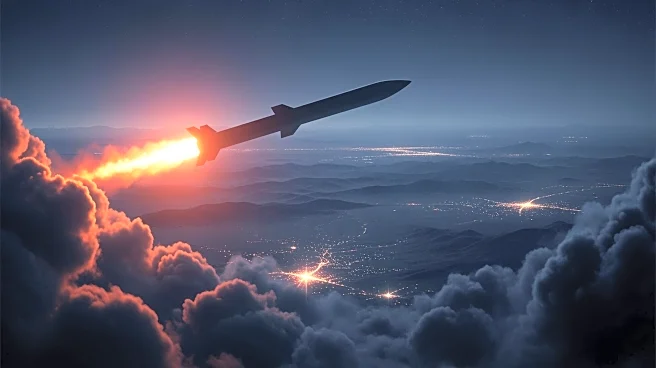
Houthi forces have launched both ballistic and cruise missiles toward Israel, marking a significant escalation in the ongoing regional conflict. The Israeli Defense Forces (IDF) intercepted these missiles, which were fired from Yemen, as part of the broader
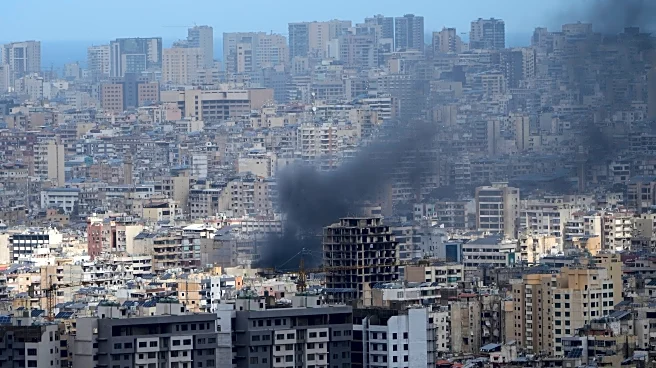
Operation Roaring Lion. This operation has seen cross-border fire from multiple fronts, including over 250 projectiles launched by Hezbollah from Lebanon. The IDF has reported the deaths of approximately 850 Hezbollah fighters since the conflict began. The military continues to target Iranian and Hezbollah sites to weaken their military capabilities.
Why It's Important?
The missile launches by Houthi forces represent a new dimension in the conflict, highlighting the multi-front nature of the threats facing Israel. The involvement of Houthi forces, aligned with Iran, underscores the complex network of alliances and hostilities in the region. The IDF's ability to intercept these missiles demonstrates Israel's defensive capabilities but also raises concerns about the potential for further escalation. The ongoing conflict has significant implications for regional stability and security, affecting not only Israel but also its neighbors and international stakeholders.
What's Next?
The interception of missiles by the IDF may lead to increased military responses and heightened tensions in the region. Israel and its allies will likely continue to monitor and respond to threats from Houthi forces and other hostile entities. The international community may seek diplomatic solutions to de-escalate the situation, but the complex web of alliances and hostilities presents significant challenges. The continuation of Operation Roaring Lion will be closely watched for its impact on regional security and the balance of power in the Middle East.