



What's Happening?
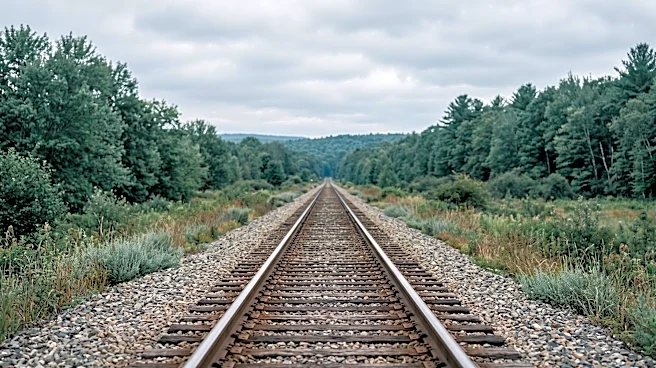
An Amtrak train traveling from Portland, Maine, to Boston struck and killed a 33-year-old Massachusetts man, Cameron Wholley, in Plaistow, New Hampshire, on Thursday afternoon. Plaistow police and firefighters responded to the incident near the railroad
tracks on Blossom Road around 1:39 p.m. According to police, Wholley was walking west along the tracks when he was hit by the approaching train from behind. Amtrak officials confirmed that no passengers or crew members on the train were injured, and train services are reportedly running on schedule. This marks the second fatal Amtrak incident in New Hampshire within the last three months, following a similar event in Claremont in June.
Why It's Important?
This tragic incident underscores the critical importance of railroad safety and public awareness regarding the dangers of walking on or near train tracks. Such events highlight the need for continuous public education campaigns about railway trespassing, which remains a leading cause of fatalities on train lines. For Amtrak and other railway operators, these incidents can lead to operational disruptions, investigations, and increased scrutiny of safety protocols, even when the fault lies with trespassers. The recurrence of fatal incidents in New Hampshire within a short period may prompt local authorities and railway companies to review existing safety measures, signage, and fencing in high-risk areas to prevent future tragedies. It also brings to light the emotional toll on train operators and first responders involved in such accidents.
What's Next?
Plaistow police will likely continue their investigation into the exact circumstances surrounding Cameron Wholley's death. This investigation will aim to determine if any factors contributed to the incident beyond trespassing. Amtrak may collaborate with local law enforcement and railway safety organizations to assess the need for enhanced safety warnings or physical barriers along the tracks in the Plaistow area. Given this is the second fatal incident in New Hampshire recently, there could be calls for a broader review of railway safety measures across the state, potentially involving state transportation authorities and community outreach programs to educate the public on the dangers of railway trespassing. The incident may also lead to discussions about mental health support for train crews involved in such traumatic events.
Beyond the Headlines
Beyond the immediate tragedy, this incident highlights a persistent public safety challenge: the unauthorized presence of individuals on railway property. This issue often stems from a combination of factors, including lack of awareness of dangers, shortcuts, or in some cases, mental health crises. The repeated nature of such accidents in New Hampshire suggests a systemic problem that may require a multi-faceted approach, including not only physical deterrents like fencing but also community engagement and mental health support services. The incident also implicitly raises questions about the legal responsibilities of railway companies to secure their tracks versus the individual responsibility of citizens to adhere to safety regulations. Addressing this complex issue requires collaboration between law enforcement, railway companies, and community organizations to foster a culture of safety around train tracks.