


What's Happening?
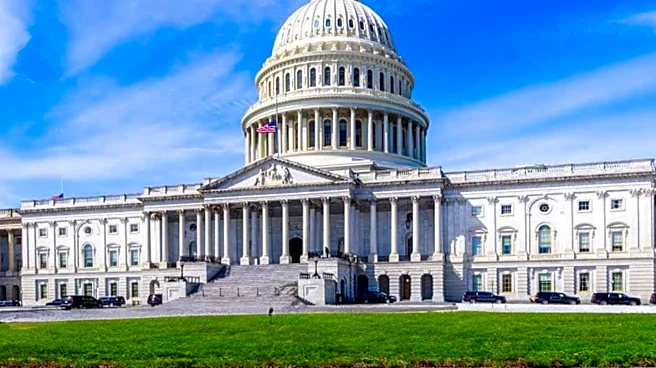
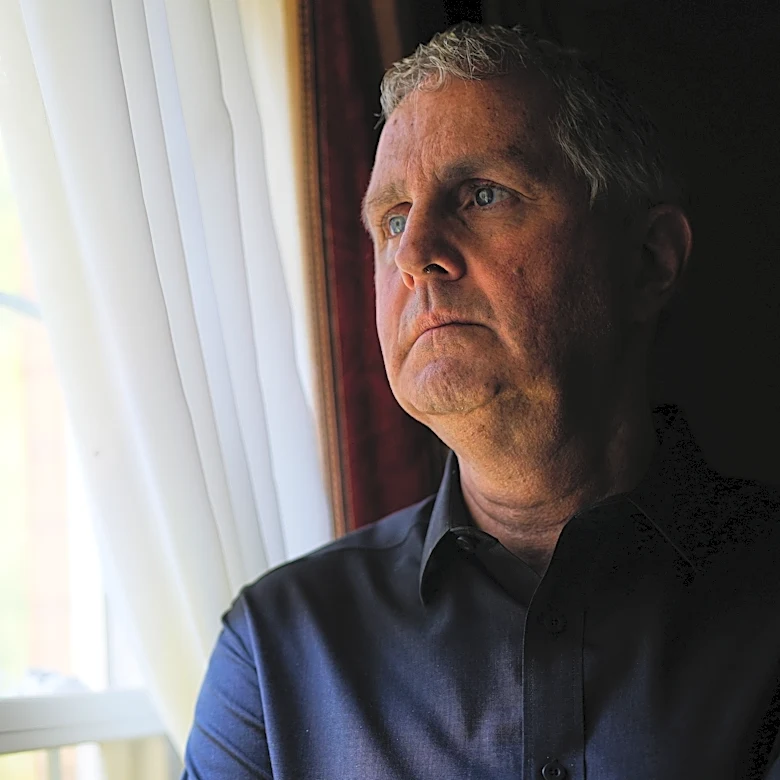
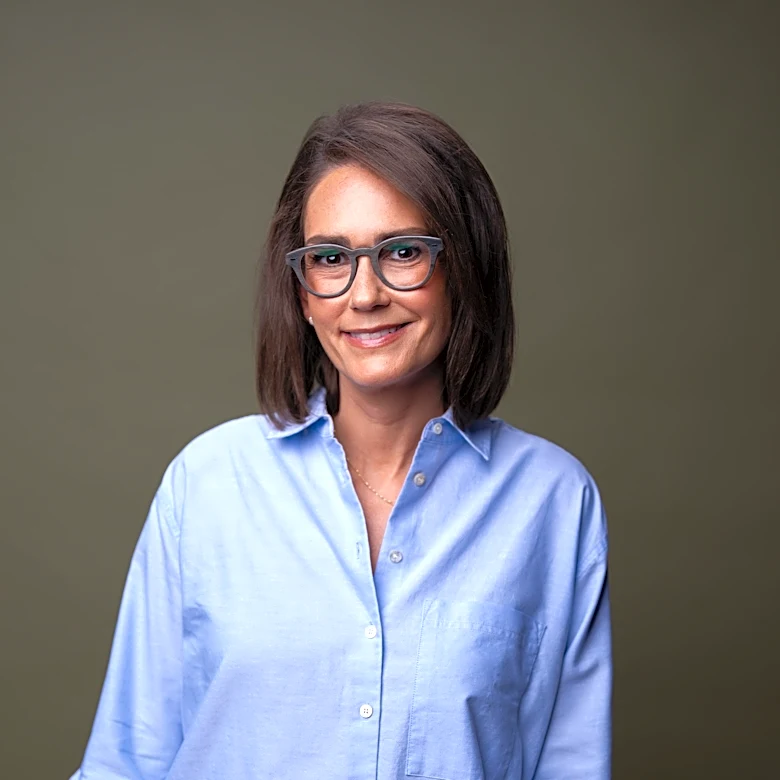
U.S. Representative Debbie Dingell (D-Michigan) has reflected on the unity that emerged in the United States following the September 11, 2001, terrorist attacks, drawing parallels to the current state of national division. In an opinion piece, Dingell recounted
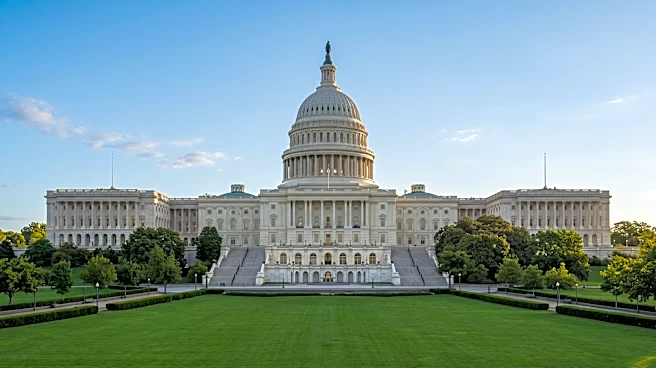
her personal experiences on 9/11, including her husband, the late John Dingell, refusing to leave the Capitol during the attacks. She highlighted how Americans, despite their fear and grief, came together across differences of faith, race, and background, building bridges and supporting one another. Twenty-five years later, Dingell expresses concern that many of these bridges are now endangered, citing the rise of antisemitism, hatred directed at Muslims, racism, and political and religious hatred that can quickly escalate into threats and violence. She urges Americans to remember the spirit of unity from the days after 9/11 and to choose courage, compassion, and mutual protection over fear and division.
Why It's Important?
Representative Dingell's message is a poignant call for national unity at a time when political and social polarization in the U.S. is widely perceived to be at an all-time high. Her reflection on 9/11 serves as a powerful reminder of the nation's capacity to overcome profound adversity by coming together. The current climate, marked by increasing instances of hate and division, poses significant challenges to the fabric of American society and its democratic institutions. The erosion of civility and the rise of identity-based conflicts can hinder progress on critical national issues and undermine the sense of shared purpose essential for a functioning democracy. Dingell's emphasis on rejecting hatred and protecting fundamental freedoms underscores the importance of these values in maintaining social cohesion and preventing further fragmentation. Her words resonate with many who yearn for a return to a more unified national identity.
What's Next?
The call for unity by Representative Dingell is likely to be echoed by other leaders and civil society groups, particularly as the nation approaches significant anniversaries or moments of national reflection. This sentiment may inspire initiatives aimed at fostering intergroup dialogue, promoting civic education, and encouraging community engagement across diverse populations. However, achieving widespread unity will require sustained effort from political leaders, media, and citizens to address the root causes of division, such as economic inequality, social injustice, and the spread of misinformation. The ongoing challenge will be to translate the memory of past unity into actionable strategies for present-day cohesion, especially in an environment where political rhetoric often exacerbates rather than heals divides. The effectiveness of such calls will depend on their ability to transcend partisan lines and resonate with a broad spectrum of the American public.
Beyond the Headlines
Beyond the immediate political implications, Representative Dingell's message touches upon the deeper psychological and sociological aspects of national identity. The memory of 9/11 represents a collective trauma that, paradoxically, forged a temporary but powerful sense of shared destiny. The current divisions suggest a collective amnesia regarding this capacity for unity, or perhaps a shift in the nature of threats perceived by the populace. The 'bridges' Dingell refers to are not just political alliances but the informal social connections and mutual understanding that bind a diverse society. Their endangerment signifies a potential breakdown in the social contract, where empathy and shared values are replaced by suspicion and animosity. This has profound implications for the long-term health of American democracy, as a society deeply divided struggles to make collective decisions and maintain a sense of common purpose. The challenge is not just to remember unity, but to actively cultivate the conditions that make it possible in a rapidly changing world.