


What's Happening?
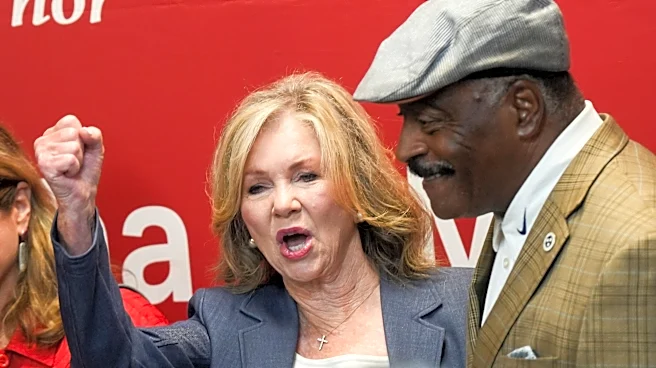
In Tennessee, primary voters selected Justin Pearson and Brent Taylor to compete for a reconfigured U.S. House seat. Pearson, a Democrat, gained national attention for his advocacy for gun control, while Taylor, a Republican, was endorsed by President
Trump. The redistricting of the 9th congressional district, previously centered in Memphis, now extends into rural areas, altering its demographic and political landscape. This change is part of a broader strategy by Republicans to maintain a slim majority in Congress. The district, which previously favored Democrats, now leans Republican, raising concerns among Memphis voters about diminished representation.
Why It's Important?
The outcome of this election could significantly impact the balance of power in Congress. The redistricting reflects a strategic move by Republicans to consolidate power, potentially affecting legislative priorities and policy decisions. For Democrats, maintaining influence in the district is crucial for advocating issues like gun control and minority rights. The election also highlights the ongoing national debate over gerrymandering and its implications for fair representation. The results could set a precedent for future redistricting efforts and influence political strategies in other states.
What's Next?
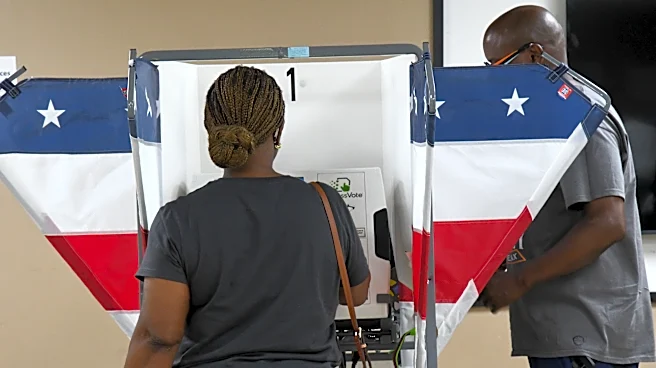
As the November election approaches, both candidates will intensify their campaigns to appeal to the newly configured electorate. The outcome will be closely watched as an indicator of President Trump's influence and the effectiveness of Republican redistricting strategies. Voter turnout and engagement in Memphis and the surrounding rural areas will be critical in determining the election's outcome. Additionally, the election could prompt further legal and political challenges regarding redistricting practices and their impact on minority representation.