


What's Happening?
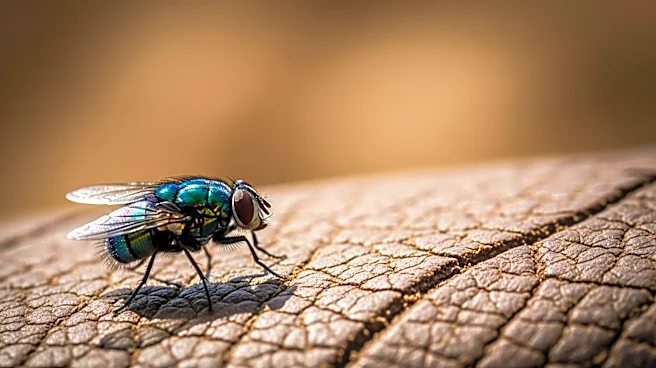
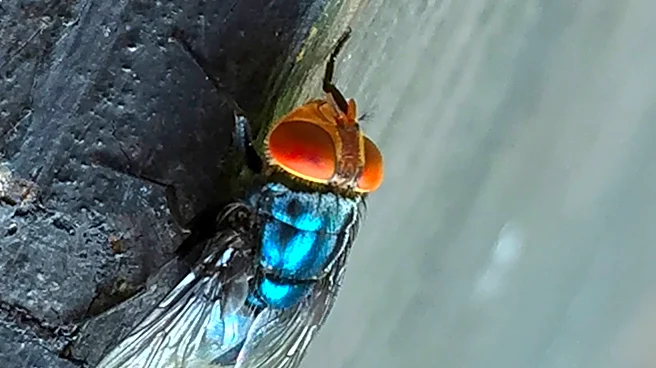
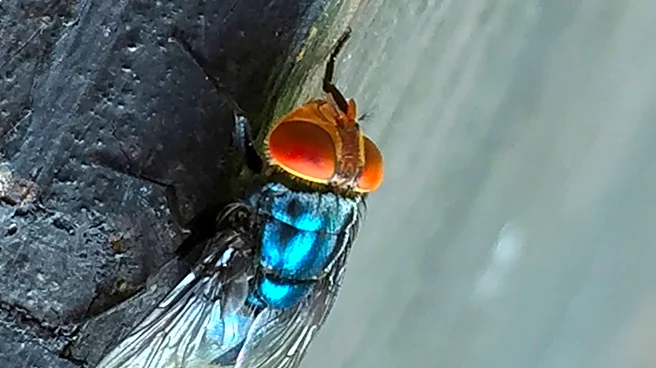
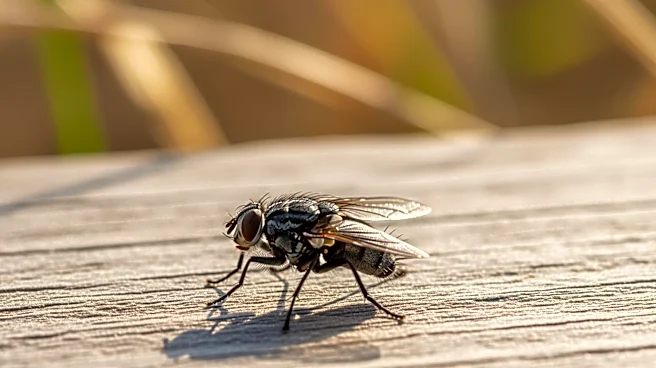
The U.S. Department of Agriculture’s (USDA) Animal and Plant Health Inspection Service (APHIS) has confirmed the presence of the New World screwworm (NWS) in a calf in Zavala County, Texas. This pest is known for its destructive impact on livestock, pets,
wildlife, and occasionally humans and birds. The larvae of the screwworm burrow into the flesh of living animals, causing severe damage and economic losses. The detection was made in a 3-week-old calf, with larvae found in its umbilical area. In response, agricultural groups such as R-CALF USA and the National Cattlemen’s Beef Association (NCBA) have called for immediate and coordinated actions to protect animal health and the national cattle herd. These organizations emphasize the need for vigilance among producers to monitor livestock and report any suspected cases. The NCBA has been actively working with USDA and other agencies to enhance resources, including the establishment of a domestic sterile fly facility and increased fly surveillance.
Why It's Important?
The detection of the New World screwworm in Texas is a significant concern for the U.S. livestock industry, as it poses a threat to animal health and could lead to substantial economic losses. The pest's presence could disrupt livestock exports and affect the national food supply. The NCBA and other agricultural groups are urging for scientific guidance in decision-making to prevent unnecessary economic harm. The situation requires a swift response to prevent the pest from spreading further into the U.S. and potentially causing more damage. The historical context of the 1960s, when the pest was eradicated through sterile fly dispersal, highlights the importance of investing in effective control measures. The current efforts aim to replicate past successes and protect the interests of American cattle producers.
What's Next?
The USDA and agricultural groups are expected to continue their efforts to contain and eradicate the New World screwworm. This includes ongoing surveillance, the release of sterile flies, and the availability of necessary treatments for affected livestock. Producers are encouraged to remain vigilant and report any signs of the pest to their veterinarians. The collaboration between federal agencies, state officials, and producer organizations will be crucial in managing the situation. The focus will be on preventing the pest from spreading beyond Texas and ensuring that the measures taken do not inadvertently harm the livestock industry economically.