









What's Happening?
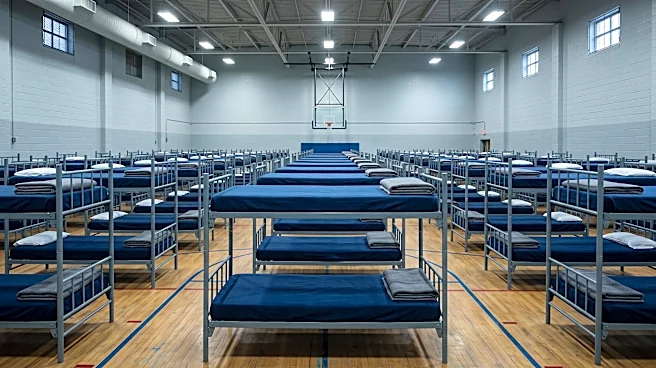
Wisconsin's prison population has reached an unprecedented 23,854 individuals, according to data released by the Wisconsin Department of Corrections. This figure surpasses the previous record set in 2019 and significantly exceeds the state's adult institutional
capacity of 17,867 people. Marianne Oleson, co-director of Ex-Incarcerated People Organizing (EXPO), stated that this record represents thousands of human beings and families, and a corrections system stretched beyond its design. Mark Rice, transformational justice campaign coordinator with WISDOM, called the record 'unacceptable' and highlighted the severe overcrowding crisis. Governor Tony Evers' spokesperson, Britt Cudaback, noted that the governor's budget requests to reform the justice system were largely rejected by the Wisconsin State Legislature. Beth Hardtke, spokesperson for the Wisconsin Department of Corrections, mentioned the administration's efforts to address the prison population through a realignment plan, which was not fully funded by the legislature.
Why It's Important?
The record-high prison population in Wisconsin has significant implications for public safety, human rights, and state resources. Overcrowding can lead to critical issues such as delays in healthcare and mental healthcare access for incarcerated individuals, as noted by Rice. Many incarcerated people already struggle with mental health problems, and increased tension within facilities can exacerbate these issues. Alexandria Staubach, policy analyst for Wisconsin Justice Initiative, emphasized that overcrowding stresses both incarcerated individuals and correctional staff, negatively impacting everyone within the system. The situation also highlights a broader policy debate regarding Wisconsin's Truth in Sentencing laws, which mandate that individuals serving at least one year for a felony committed after December 31, 1999, are generally ineligible for parole. Critics argue these laws contribute to the rising prison population by limiting opportunities for rehabilitation and early release, potentially hindering public safety in the long run.
What's Next?
Advocates like Marianne Oleson and Mark Rice are calling for further reforms to address the policies driving incarceration, particularly Wisconsin's Truth in Sentencing laws. They suggest that sentences should not only hold individuals accountable but also recognize rehabilitation, growth, and demonstrated change. Rice also expressed a desire for increased funding in the state budget for programs focused on upstream diversion and earned release opportunities. The ongoing debate between Governor Evers' administration and the Wisconsin State Legislature regarding justice system reforms and funding for correctional facilities is expected to continue. Future legislative sessions will likely see renewed discussions on how to manage the growing prison population, potentially including proposals for facility upgrades, expanded programming, and changes to sentencing guidelines. The effectiveness of any proposed solutions will depend on political will and bipartisan cooperation to address the complex challenges of prison overcrowding.
Beyond the Headlines
The issue of prison overcrowding in Wisconsin extends beyond mere numbers, touching upon fundamental ethical and societal questions about justice, rehabilitation, and the role of incarceration. The current situation raises concerns about the state's commitment to humane treatment within its correctional facilities and the potential for long-term societal impacts. A system operating beyond its designed capacity can lead to a decline in living conditions, increased violence, and a higher risk of recidivism due to inadequate rehabilitative resources. The rejection of Governor Evers' reform proposals by the legislature suggests a deeper political divide on criminal justice philosophy, with implications for how Wisconsin balances punishment with rehabilitation. Addressing this crisis will require a comprehensive approach that considers not only legislative changes but also community-based solutions, mental health support, and economic opportunities to reduce the factors contributing to incarceration rates. The long-term shift could involve a re-evaluation of the state's entire criminal justice paradigm.