







What's Happening?
Ticks are increasingly becoming a public health concern in the U.S. due to their role in spreading diseases like Lyme disease and Alpha-Gal Syndrome. The Centers for Disease Control and Prevention (CDC) lists 16 tick-borne diseases, with ticks thriving
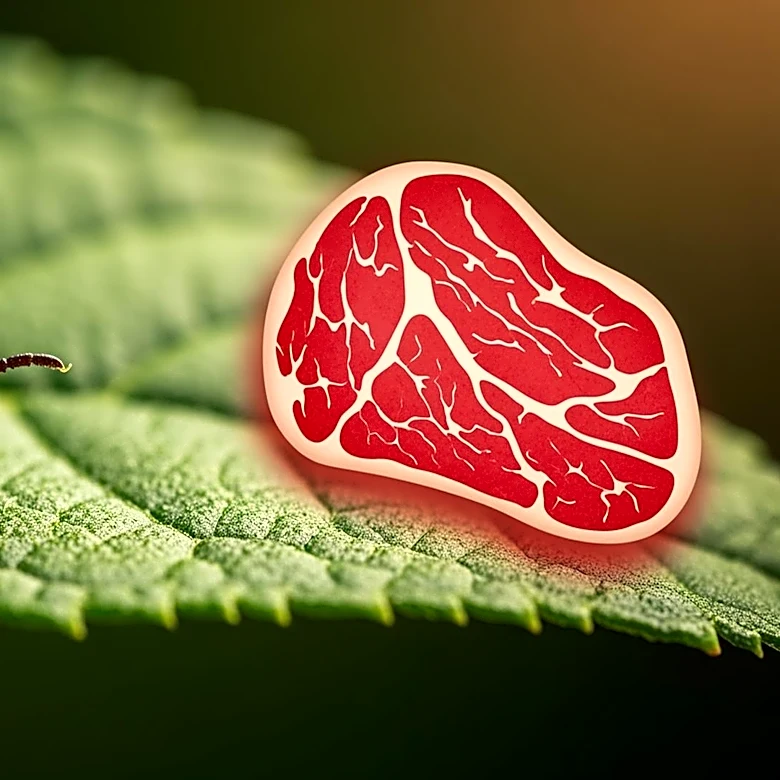
in warmer climates year-round. Over the years, various rumors and conspiracy theories about ticks have circulated online, including claims that organizations like PETA were releasing ticks to induce meat allergies. Snopes has debunked several of these rumors, emphasizing the need for accurate information about tick-borne diseases and their prevention.
Why It's Important?
The spread of misinformation about tick-borne diseases can lead to public confusion and hinder effective prevention efforts. Accurate information is crucial for public health initiatives aimed at reducing tick exposure and managing tick-borne illnesses. As climate change continues to affect tick populations, understanding the real risks and preventive measures becomes increasingly important. The livestock industry is also impacted, as ticks can transmit diseases to cattle, affecting meat production and economic stability in affected regions.
What's Next?
Public health agencies may increase efforts to educate the public about tick-borne diseases and debunk misinformation. Research into tick-borne illnesses and their prevention is likely to continue, with potential developments in vaccines or treatments. The agricultural sector may implement new strategies to protect livestock from tick-borne diseases, ensuring food security and economic stability. Collaboration between health organizations, researchers, and the public will be essential in addressing the challenges posed by ticks and their associated diseases.