



What's Happening?
Iron-air batteries, which operate by a reversible rusting process, are being developed as a new form of energy storage. Unlike traditional lithium-ion batteries that typically store energy for a few hours, iron-air batteries can store electricity for approximately
100 hours, or more than four days. This technology utilizes iron's natural reaction with oxygen to generate electricity, and the process can be reversed to recharge the battery. Audrey Smith, a PhD student in chemical and environmental engineering at Brown University, explains that these batteries 'breathe' in oxygen during discharge and breathe it out during charging. The primary advantage of iron-air batteries is their ability to provide long-duration storage, addressing a significant challenge in integrating renewable energy sources like solar and wind into the power grid. Iron is also an abundant and inexpensive metal, making it a cost-effective alternative to lithium, which is harder to come by.
Why It's Important?
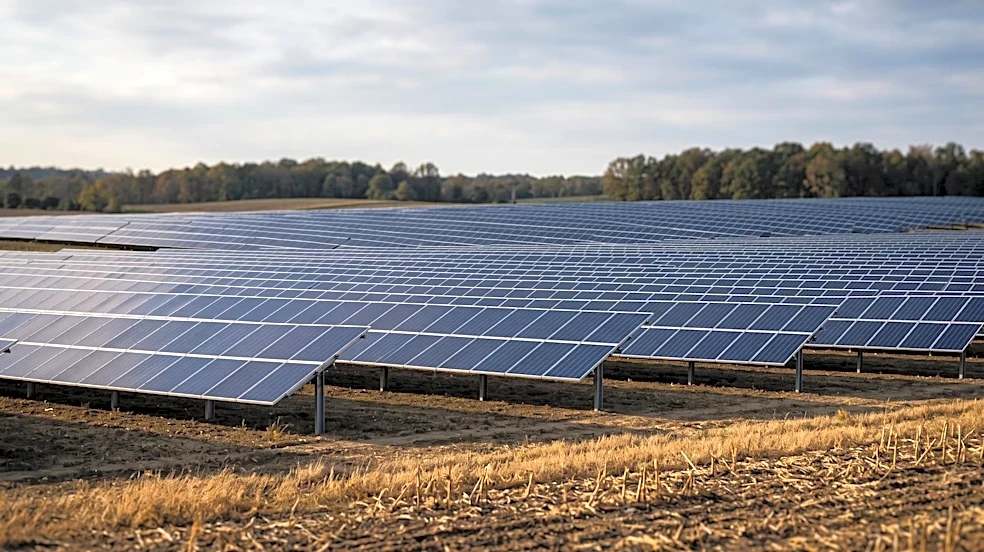
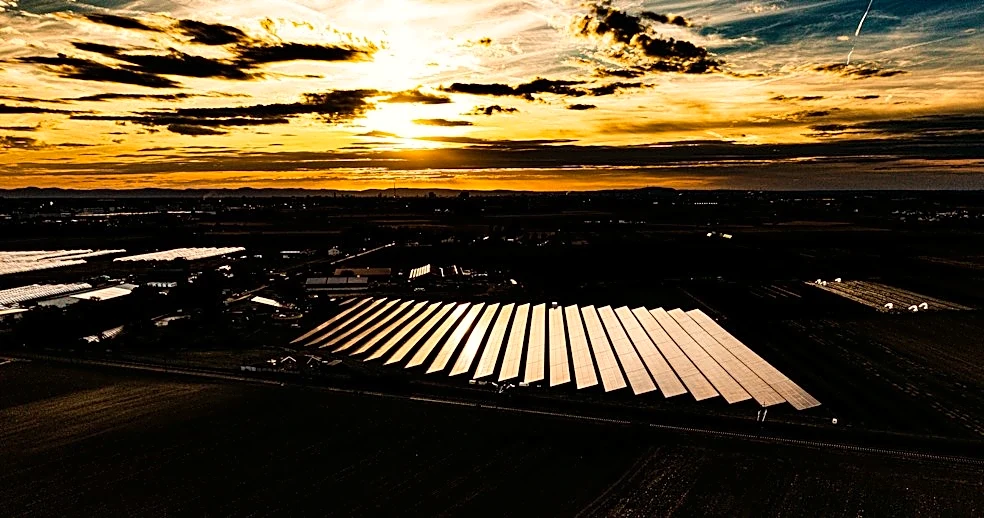
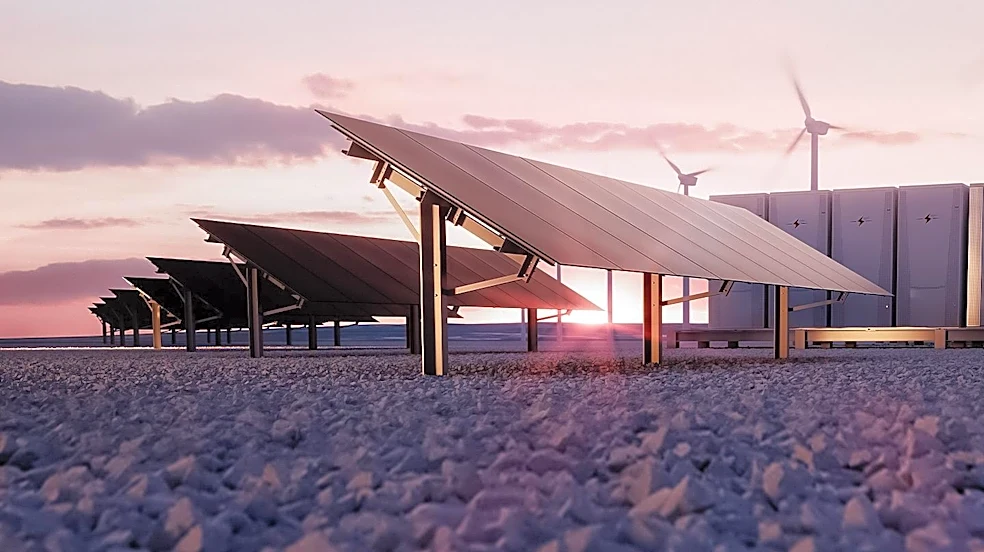
The development of iron-air batteries is crucial for the U.S. energy landscape, particularly for the integration and reliability of renewable energy sources. The intermittent nature of solar and wind power necessitates efficient and long-duration storage solutions to ensure a consistent energy supply. Current lithium-ion batteries, while efficient for short-term storage in electric vehicles and electronics, are not designed for the extended storage periods required to stabilize the grid when renewable generation is low. Iron-air batteries offer a solution to this gap, enabling the storage of excess electricity generated during peak production times (e.g., sunny or windy days) for use days later when conditions are unfavorable. This capability can significantly enhance grid stability, reduce reliance on fossil fuel-based backup power, and accelerate the transition to a more sustainable energy infrastructure. The abundance and low cost of iron also present economic benefits, potentially lowering the overall cost of energy storage and making renewable energy more competitive.
What's Next?
The next steps for iron-air battery technology involve further research and development to optimize their efficiency and scalability for grid-level applications. While not intended to replace lithium-ion batteries in all uses, iron-air batteries are poised to complement existing storage solutions by providing the necessary long-duration capacity. Continued testing and pilot projects will be essential to demonstrate their performance and reliability in real-world grid scenarios. As the U.S. continues to invest in renewable energy, the demand for such long-duration storage will likely increase, driving further innovation and potential commercialization of iron-air battery systems. Stakeholders, including energy companies, grid operators, and policymakers, will be closely watching the progress of this technology as a key enabler for a robust and resilient renewable energy future.
Beyond the Headlines
The emergence of iron-air batteries highlights a broader shift in energy storage research, moving beyond traditional chemistries to explore more sustainable and abundant materials. This innovation addresses not only technical challenges but also geopolitical and ethical considerations associated with critical mineral supply chains, such as those for lithium. By utilizing iron, a widely available resource, the U.S. can potentially reduce its dependence on foreign sources for battery components, enhancing energy security and fostering domestic manufacturing capabilities. Furthermore, the concept of a 'breathing' battery that leverages a common chemical reaction like rusting could inspire novel approaches to energy storage, emphasizing simplicity and natural processes. This development underscores the importance of diverse energy storage solutions to meet varying demands, from short-burst power for electronics to multi-day grid stabilization, ultimately contributing to a more diversified and resilient energy ecosystem.