






What's Happening?
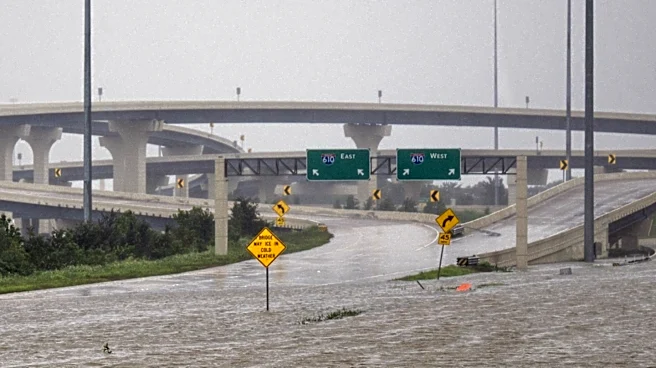
The Texas Department of Transportation (TxDOT) is actively preparing San Antonio roads for significant rainfall and potential flash flooding expected from Wednesday evening through Friday. Crews have been inspecting drainage systems, clearing debris from culverts
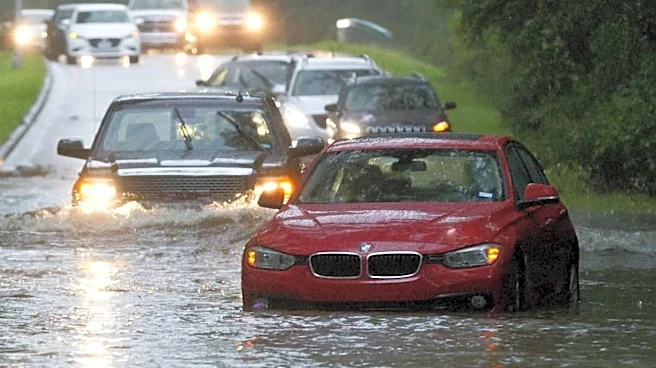
and inlets, and checking flood-prone areas, including construction sites. Barricades and signs have been strategically placed in certain areas in anticipation of the storms. TxDOT spokesperson Jonathan Cotto stated that the agency plans to activate its Emergency Operations Center, which will provide 24-hour surveillance of all roadway conditions. Maintenance crews and HERO trucks will be on standby to assist drivers. The public is urged to avoid driving in severe weather and to remember the 'turn around, don’t drown' message if they encounter water covering a roadway, as water levels can be deceptive and road conditions beneath the surface unknown. Real-time road condition updates are available via the DriveTexas app or DriveTexas.org.
Why It's Important?
This proactive preparation by TxDOT is crucial for public safety and infrastructure resilience in San Antonio. Heavy rainfall and flash flooding pose significant risks, including vehicle damage, road closures, and potential loss of life. By clearing drainage systems and placing barricades, TxDOT aims to mitigate the severity of flooding and ensure that essential transportation routes remain as safe as possible. The activation of a 24-hour Emergency Operations Center highlights the seriousness of the weather threat and the commitment to continuous monitoring and rapid response. The emphasis on the 'turn around, don’t drown' message is vital for preventing drivers from entering dangerous floodwaters, which can quickly become life-threatening. This preparedness also helps minimize economic disruption by reducing the likelihood of prolonged road closures and associated delays for commuters and commercial traffic.
What's Next?
As the storm system moves through the region, TxDOT's Emergency Operations Center will remain active, providing continuous surveillance of road conditions. Maintenance crews and HERO trucks will be deployed as needed to respond to any incidents, clear blockages, and assist stranded motorists. The public should continue to monitor weather updates and road conditions through official channels like the DriveTexas app or DriveTexas.org. Further communications from TxDOT will likely focus on specific road closures, detours, and safety advisories as the weather event unfolds. Post-storm, TxDOT will assess any damage to infrastructure and begin necessary repairs to restore full functionality to the affected roadways. The agency will also likely review its preparedness measures to identify areas for improvement in future weather events.
Beyond the Headlines
The recurring need for extensive flood preparedness in San Antonio underscores broader challenges related to urban development, climate patterns, and infrastructure maintenance. San Antonio, like many rapidly growing cities, faces increasing pressure on its drainage systems due to expanding impervious surfaces and changing weather extremes. This event highlights the ongoing importance of investing in robust infrastructure and effective emergency response mechanisms. Beyond immediate safety, frequent flooding can lead to long-term issues such as erosion, damage to public and private property, and increased insurance costs. The 'turn around, don’t drown' campaign, while critical for immediate safety, also reflects a societal challenge in ensuring public adherence to safety warnings during severe weather. This situation prompts a deeper look into how urban planning and public education can evolve to better cope with the realities of a changing climate and its impact on daily life.