




What's Happening?
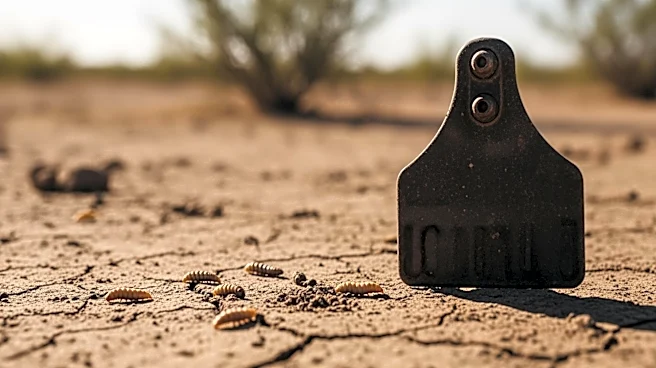
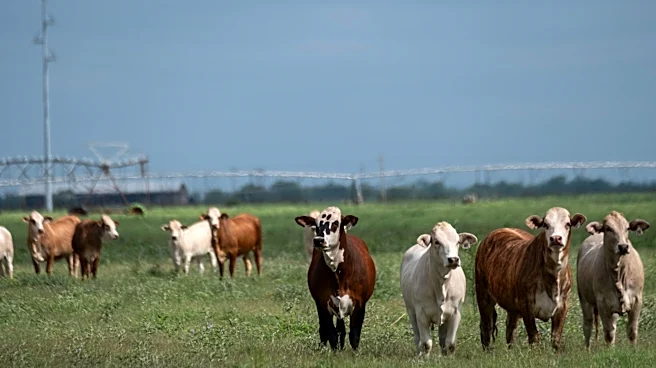
A screwworm outbreak has been detected in Texas' 23rd Congressional District, affecting the local cattle industry. The district, which is currently without a congressional representative following the resignation of Rep. Tony Gonzales, is facing challenges
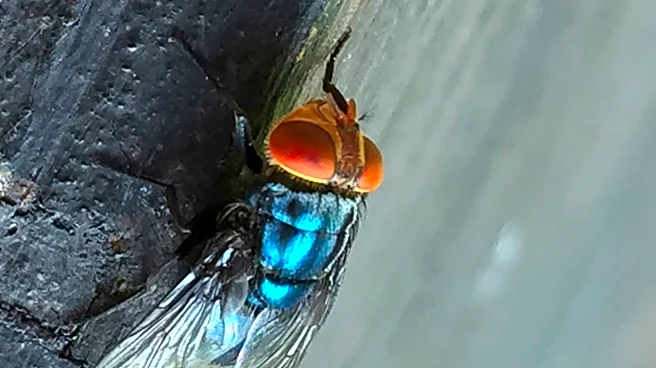
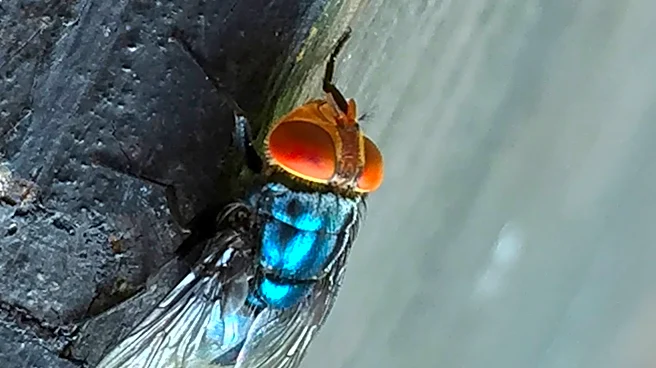
in addressing the outbreak. The screwworm, a parasitic fly, poses a significant threat to livestock, prompting a coordinated response from federal and state agencies. However, the absence of a congressional representative complicates communication and advocacy efforts for local ranchers. The district, which is a major cattle producer, is in urgent need of representation to facilitate better coordination and response to the outbreak.
Why It's Important?
The screwworm outbreak in Texas' 23rd Congressional District is critical due to the district's significant role in the cattle industry, with over $450 million in cattle sales. The lack of a congressional representative hinders effective communication and advocacy for necessary resources and support. The outbreak threatens the local economy and the broader supply chain, highlighting the need for swift action and representation. The situation underscores the importance of having a congressional representative to address local emergencies and advocate for federal assistance.
What's Next?
The next steps involve the potential scheduling of a special election by Governor Greg Abbott to fill the vacant congressional seat. Candidates are actively engaging with federal officials and local ranchers to address the outbreak, but the absence of a representative limits their influence. The establishment of a sterile fly facility is underway, but its operational timeline needs acceleration. The situation calls for urgent action to mitigate the outbreak's impact and ensure the district's economic stability.
Beyond the Headlines
The screwworm outbreak highlights broader issues of representation and emergency response in rural districts. The lack of a congressional representative during a crisis can delay critical interventions and support. This situation may prompt discussions on the need for more robust mechanisms to ensure representation and advocacy during emergencies, particularly in rural and economically significant districts.