




What's Happening?
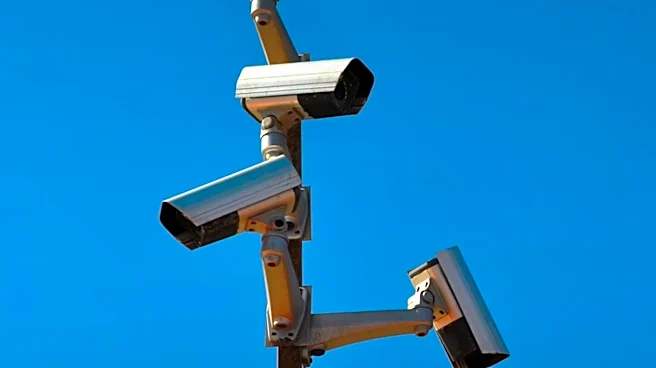
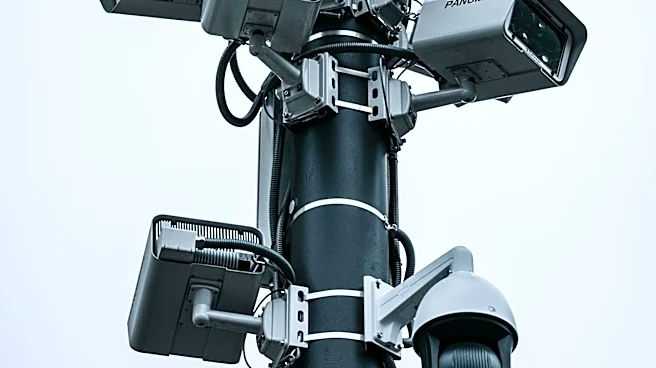
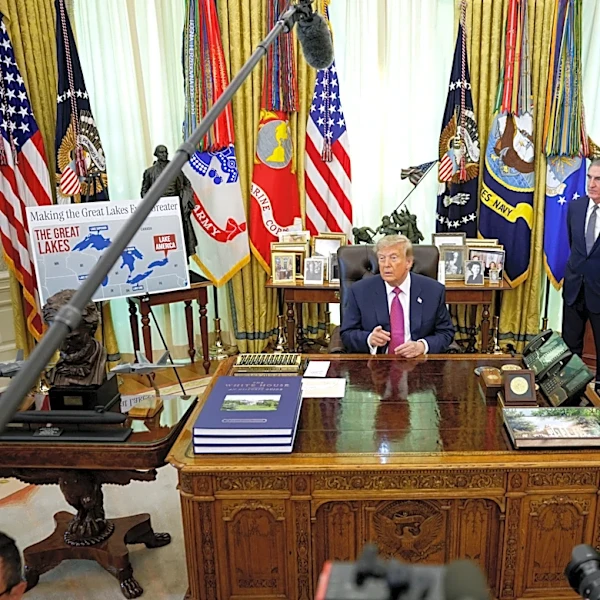
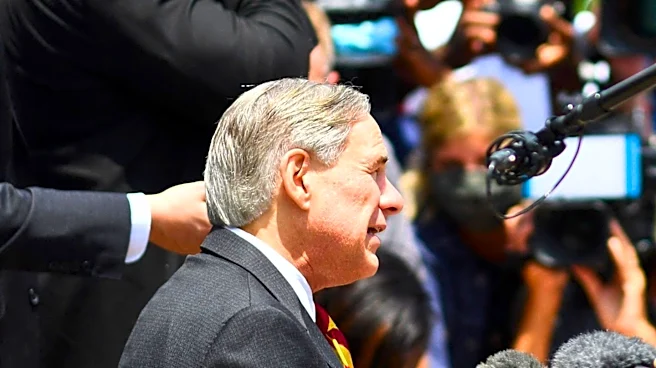
Governor Greg Abbott has issued an order to all state agencies to cease funding for Flock Safety surveillance cameras. This directive comes amidst growing scrutiny over the AI-powered devices, which have raised significant privacy concerns among residents
and lawmakers. The order was issued as an investigation was being prepared to detail how a state agency had allocated at least $30 million to expand the state's Flock surveillance network through grants to local police departments. Abbott's spokesman confirmed that state agencies are now clarifying that these funds cannot be used for Flock cameras. The Motor Vehicle Crime Prevention Authority, largely appointed by Governor Abbott, has facilitated the installation of at least 3,200 Flock cameras since 2023, with nearly 1,200 being installed by the Department of Public Safety under a $15.9 million contract. These grants originated from a 2023 law intended to combat catalytic converter theft, with no prior discussion of using the funds for surveillance technology.
Why It's Important?
This action by Governor Abbott signifies a critical shift in the state's approach to surveillance technology and data privacy. The widespread deployment of Flock cameras, which use artificial intelligence to track and store detailed vehicle information, has sparked a debate about the balance between public safety and individual privacy rights. The ability of law enforcement agencies to share data across a national network raises concerns about potential misuse and the scope of government surveillance. The Lufkin police officer facing 100 counts of misusing public information by surveilling individuals for over a year highlights the tangible risks associated with such technology. This move by the Governor could set a precedent for other states grappling with similar issues, influencing how AI-powered surveillance is regulated and funded across the U.S. It also underscores the increasing public and political pressure on authorities to address privacy implications of new technologies.
What's Next?
Following Governor Abbott's order, state agencies will be required to implement the halt on funding for Flock cameras. This will likely lead to a re-evaluation of existing contracts and grant programs related to surveillance technology. Cities and counties that have been canceling contracts with Flock Safety due to privacy concerns and reports of misuse are expected to continue this trend, potentially accelerating the reduction of Flock camera deployment across Texas. Lawmakers, both Democratic and Republican, have already begun raising concerns about the broad scale of Flock's network and the data it captures. U.S. Rep. Keith Self's proposed legislation to require federal agencies to obtain warrants for Flock camera data suggests a broader legislative push for privacy protections. The ongoing investigations into officers misusing the technology will also continue, potentially leading to further criminal charges and policy changes regarding accountability and oversight.
Beyond the Headlines
The controversy surrounding Flock cameras in Texas extends beyond immediate funding decisions, touching upon fundamental questions of civil liberties in the digital age. The use of AI to collect and analyze vast amounts of data on citizens' movements and vehicle characteristics raises profound ethical and legal dilemmas regarding the Fourth Amendment's protection against unreasonable searches. The lack of initial public discussion about using anti-theft funds for surveillance technology highlights a potential gap in democratic oversight and transparency in the adoption of new technologies by government agencies. This situation could catalyze a broader societal conversation about the appropriate limits of surveillance, the need for robust privacy guardrails, and the role of artificial intelligence in law enforcement. It also underscores the challenge of balancing security needs with the preservation of individual freedoms in an increasingly technologically advanced society.