








What's Happening?
Researchers at the Georgia Institute of Technology have discovered that low-dose exposure to the pesticide sulfoxaflor can interfere with bumblebee reproduction by altering gene activity in key tissues. This study highlights the potential impacts of modern
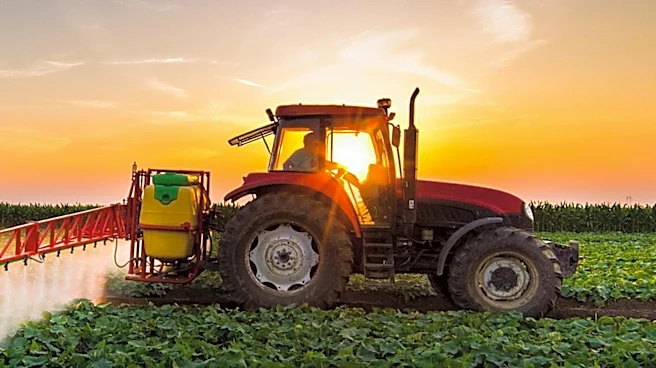
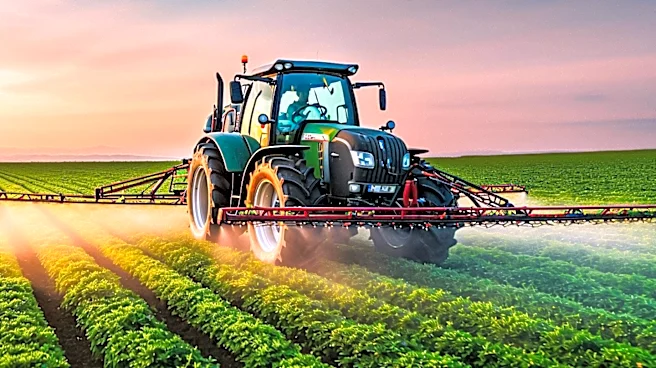
agricultural chemicals on beneficial insects beyond their intended targets. Bumblebees, crucial pollinators for many crops, are affected by this pesticide, which is commonly used to control sap-sucking pests like aphids. The research found significant changes in gene expression, particularly in ovarian tissues, which could impair the reproductive capacity of bumblebees. This finding is significant as it suggests that even small amounts of pesticide exposure could have long-term effects on bee populations and, consequently, on global food systems.
Why It's Important?
Bumblebees play a vital role in pollinating crops and wild plants, contributing significantly to global food production. The study's findings raise concerns about the broader ecological impacts of pesticides, which are essential for pest control but can inadvertently harm beneficial species like bumblebees. The decline in bee populations due to pesticide exposure, habitat loss, and climate change poses a threat to biodiversity and food security. Understanding the genetic changes caused by pesticides is crucial for developing safer agricultural practices that protect pollinators while maintaining effective pest control. This research underscores the need for a balanced approach to agriculture that prioritizes both crop protection and environmental conservation.
What's Next?
The study calls for further research into the effects of agricultural chemicals on pollinators and the development of strategies to mitigate these impacts. Policymakers and agricultural stakeholders may need to consider regulations that limit pesticide use or promote alternative pest control methods. Additionally, efforts to restore habitats and plant native flowering plants could support healthy bumblebee populations. The findings also highlight the importance of public awareness and education on the role of pollinators in food production and ecosystem health. As the agricultural industry seeks to balance productivity with sustainability, protecting pollinators will be a critical component of future strategies.