





What's Happening?
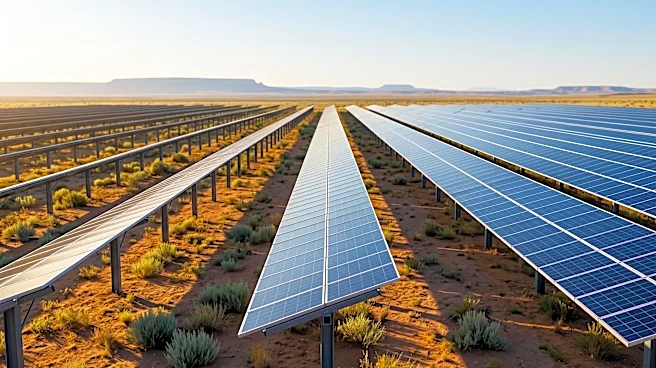
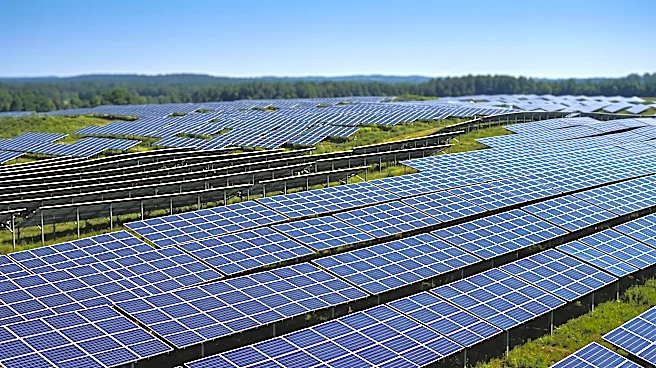
The Quincy City Council has voted to create a special use permit for commercial solar energy facilities located in RU1 zoned districts. This new permit mandates that solar projects adhere to specific city codes, including a requirement for security fences
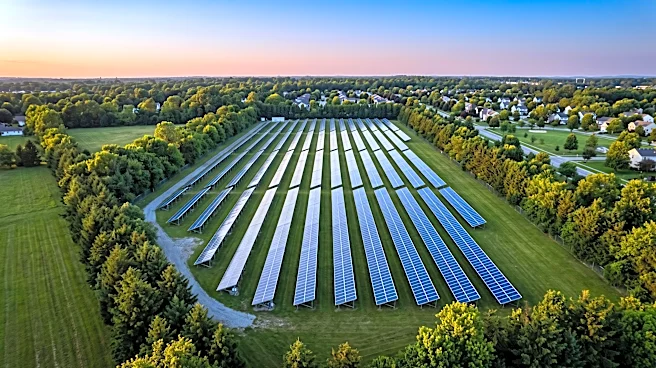
to be no closer than 500 feet from the property line. Additionally, sight-proof landscaping, consisting of evergreen and canopy trees, must surround the perimeter of the project. The regulations also stipulate that these facilities cannot be located within one mile of any public or private elementary school, junior high school, high school, or two-year or four-year college or university. Furthermore, a solar project cannot be situated in an area where 50 or more dwellings are present within 1,000 feet of the site. Quincy Planning Director Jason Parrott stated that these measures provide the city with greater control over the decision-making process and offer clearer guidelines for developers seeking approval. The proposal was referred to the City Council by the city’s Plan Commission, and aldermen waived additional readings of the ordinance.
Why It's Important?
This new special use permit is significant for Quincy as it aims to balance the growing interest in commercial solar energy development with community planning and protection. By establishing clear guidelines and restrictions, the city is proactively managing the visual impact and potential proximity of large-scale solar facilities to residential areas and educational institutions. This move provides a structured framework for developers, ensuring that future solar projects integrate more harmoniously into the existing urban and rural landscape. It also empowers the city to have more oversight, preventing ad-hoc development that might not align with long-term community goals. The regulations reflect a broader trend in local governance to adapt zoning laws to accommodate renewable energy infrastructure while addressing public concerns about land use, aesthetics, and property values. The permit's requirements for setbacks and landscaping indicate a focus on mitigating potential negative impacts on residents and preserving the character of the community.
What's Next?
Developers planning commercial solar energy facilities in Quincy's RU1 zoned districts will now be required to apply for this special use permit and ensure their projects comply with the newly established city codes. If a developer wishes to proceed with a project that does not meet one of the qualifications, they will need to seek an exemption directly from the City Council. This process will likely involve presenting their case and demonstrating why an exception should be granted. A recently approved solar project on rural zoned property along Payson Road will not be subject to these new requirements, as its approval predates the introduction of these regulations. This highlights that future projects will face a more stringent review process. The City Council's decision also sets a precedent for how Quincy will approach future renewable energy developments, emphasizing a controlled and community-conscious approach to growth.
Beyond the Headlines
The implementation of this special use permit for solar facilities in Quincy reflects a broader societal and governmental effort to manage the transition to renewable energy sources responsibly. While promoting green energy is a priority, local governments are increasingly recognizing the need to address the practical implications of large-scale installations on local communities. This includes concerns about land use, environmental impact, and the visual landscape. The detailed requirements for setbacks and landscaping suggest a growing emphasis on integrating renewable energy infrastructure in a way that minimizes disruption and enhances community acceptance. This approach could serve as a model for other municipalities grappling with similar challenges, demonstrating how local regulations can facilitate sustainable development while safeguarding community interests and quality of life. It underscores the evolving role of local planning in shaping the future of energy infrastructure.