






What's Happening?
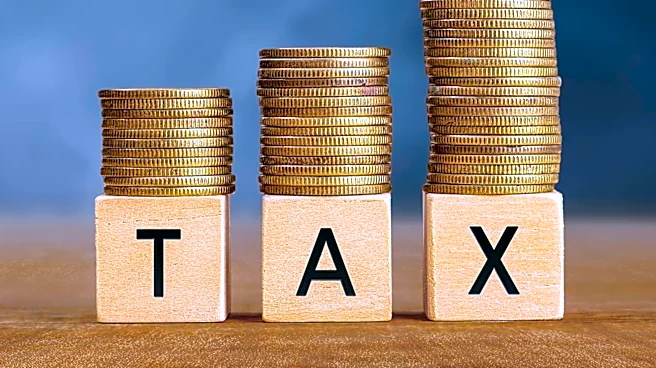
The administration of Mayor Zohran Mamdani in New York City has introduced a new pied-a-terre tax targeting luxury second homes, which has sparked significant concern among property owners. The city published a list of over 900,000 properties potentially
subject to this tax, including the home of Richard Lee, the finance commissioner, and a property owned by former Mayor Bill de Blasio. The Department of Finance has sent letters to 17,000 homeowners, warning them of a possible surcharge unless they can prove their residency. This tax is part of an effort to address a projected $6 billion budget shortfall, with expectations to raise $500 million. The tax applies to properties valued over $5 million that are not primary residences, with surcharges ranging from 0.8% to 1.3% of the property's market value.
Why It's Important?
The introduction of the pied-a-terre tax is significant as it reflects a broader strategy by the Mamdani administration to increase revenue by taxing the wealthy, a move that aligns with the mayor's democratic socialist agenda. This tax could have substantial financial implications for property owners, particularly those who may struggle to prove their primary residency. The policy has also raised concerns about the administrative burden on homeowners, who must navigate complex documentation requirements to avoid the surcharge. The tax could potentially deter investment in New York City's real estate market, affecting property values and the broader economic landscape. Additionally, the controversy surrounding the tax highlights tensions between city officials and residents, as well as the challenges of implementing policies aimed at wealth redistribution.
What's Next?
Homeowners affected by the new tax have until August 21 for residential properties and August 24 for co-ops to submit documentation proving their primary residency. The Department of Finance has outlined specific exemptions and documentation requirements, but the process has been criticized for its complexity. As the deadline approaches, it is likely that there will be increased pressure on the Mamdani administration to address concerns about the tax's implementation and its impact on residents. Political leaders and advocacy groups may also become more vocal in their opposition or support of the tax, potentially influencing future policy decisions. The outcome of this tax initiative could set a precedent for similar measures in other cities facing budgetary challenges.