










What's Happening?
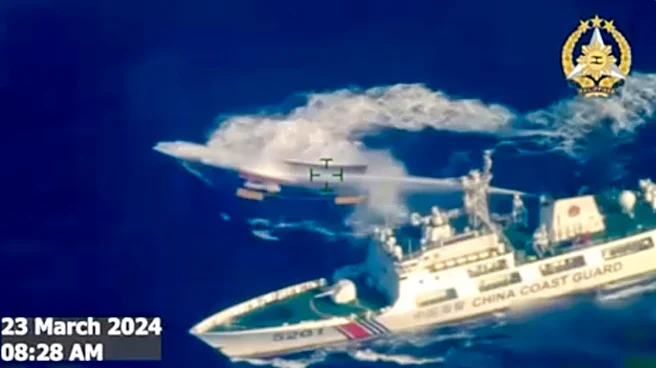
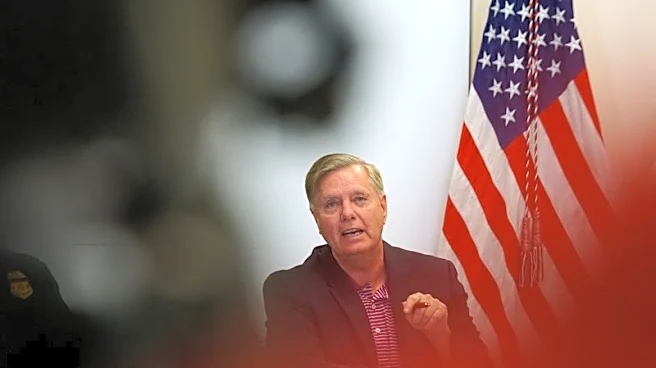
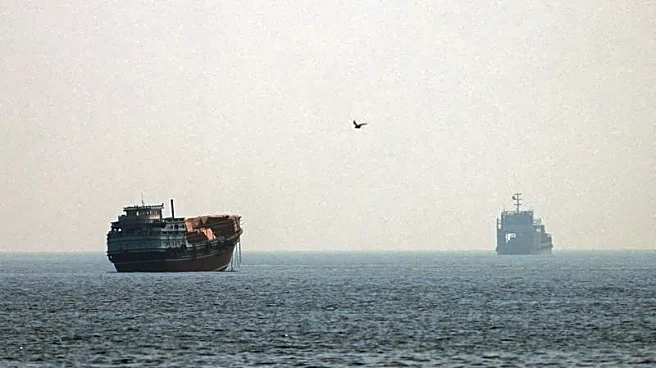
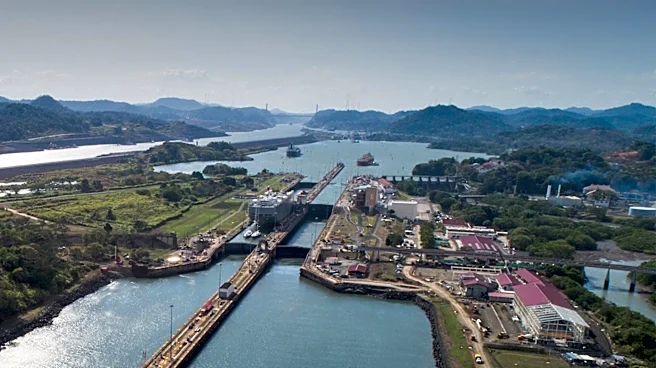
China has refuted U.S. claims that it is using maritime and economic power to coerce Panama, following allegations of targeting Panama-flagged ships with inspections and detentions. U.S. officials, including Ambassador Warren Stephens, have called for
increased attention to the issue by the International Maritime Organization. China's Foreign Ministry spokesperson, Lin Jian, defended the inspections as lawful and necessary for safety, citing incidents involving Panama-flagged vessels. The U.S. Federal Maritime Commission is considering involvement due to the impact on U.S. commerce.
Why It's Important?
The dispute highlights the geopolitical tensions between the U.S. and China, with implications for international maritime trade and diplomacy. The allegations of coercion raise concerns about the use of economic power to influence global trade practices. The situation underscores the challenges of maintaining fair and open trade routes, which are vital for global commerce. The outcome of this dispute could affect international relations and trade policies, particularly in regions reliant on maritime commerce.
What's Next?
The ongoing tensions may lead to further diplomatic discussions and potential interventions by international organizations to address the allegations. The U.S. and China may engage in negotiations to resolve the dispute and prevent further escalation. The situation could prompt a reevaluation of maritime regulations and enforcement practices to ensure fair treatment of all nations. Stakeholders, including shipping companies and trade organizations, will be closely monitoring developments to assess the impact on global trade.
Beyond the Headlines
The dispute raises broader questions about the balance of power in international trade and the role of maritime law in regulating global commerce. It highlights the need for transparent and equitable enforcement of trade regulations to prevent the misuse of economic power. The situation may prompt discussions about the importance of international cooperation in addressing trade disputes and ensuring the stability of global supply chains. The allegations of coercion underscore the complexities of navigating geopolitical tensions in a globalized economy.