


What's Happening?
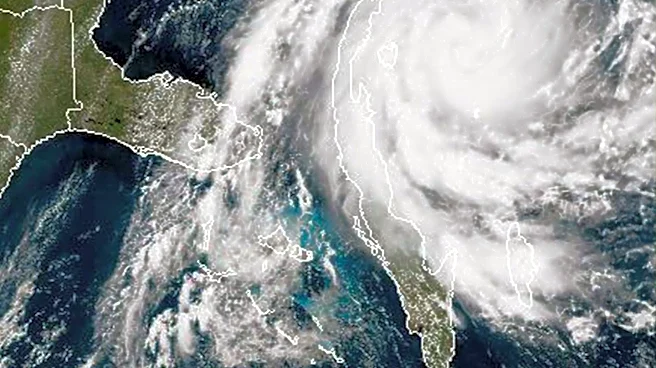
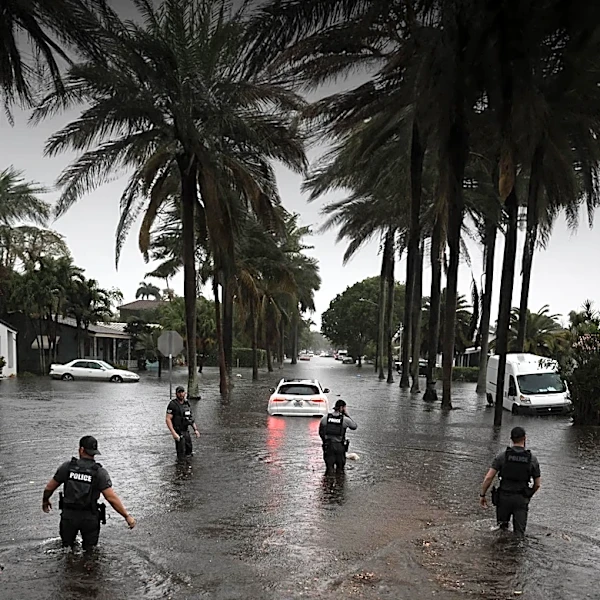
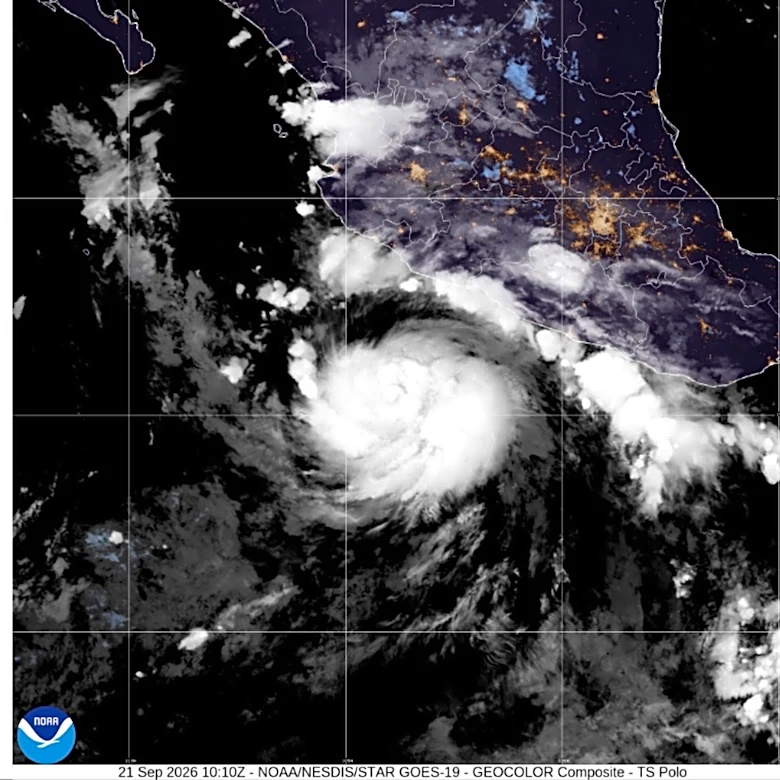
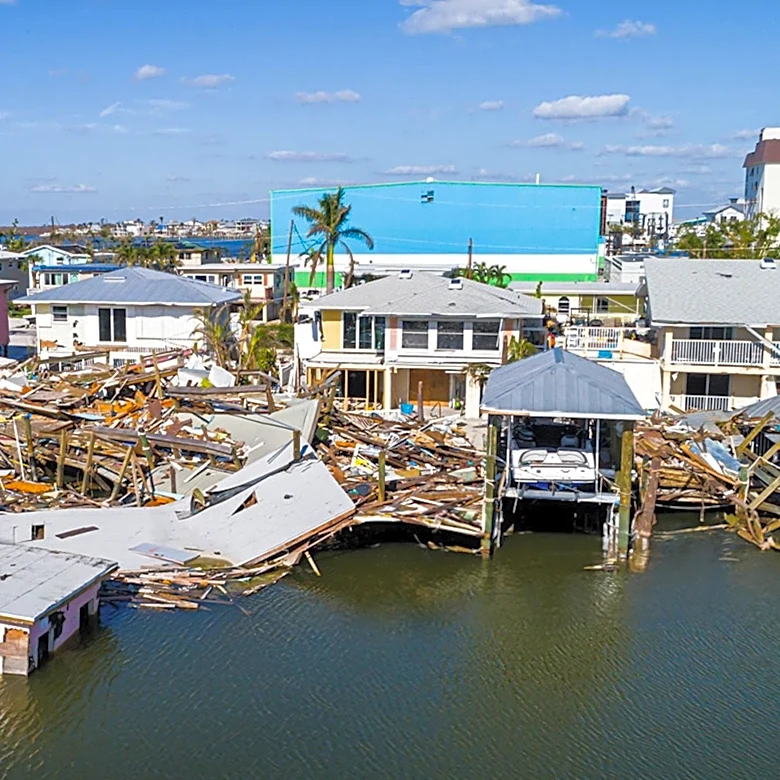
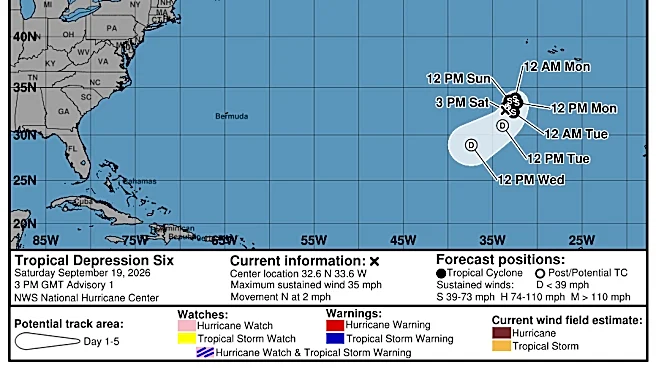
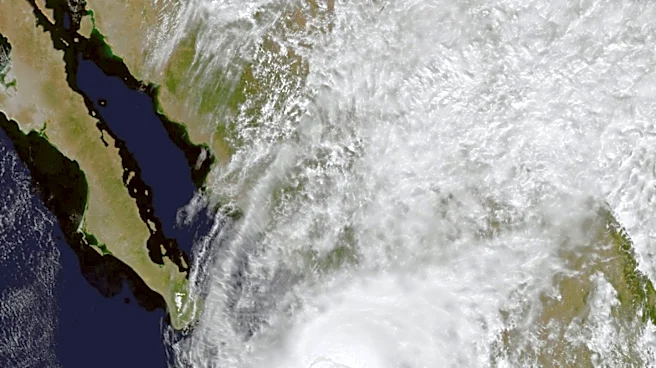
Hurricanes and tornadoes, while both destructive, are fundamentally different weather systems with distinct formation mechanisms, scales, and impacts. A hurricane is a large tropical cyclone that develops over warm ocean waters, affecting hundreds of
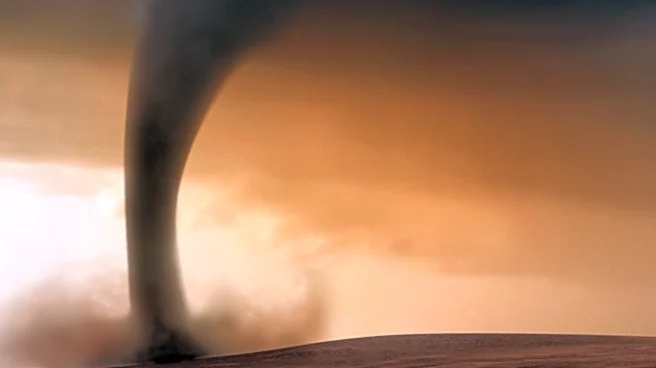
miles with sustained winds, storm surge, heavy rain, and inland flooding, and can last for days. It begins as an organized tropical weather system, fueled by ocean heat and moisture, and is classified as a hurricane when sustained winds reach at least 74 mph. Tornadoes, in contrast, are much smaller, violently rotating columns of air extending from a thunderstorm to the ground. Their destructive path is narrower, and they typically last for minutes, though their winds can be locally more intense than hurricane winds. Tornadoes often form from supercells, requiring an unstable atmosphere and changes in wind speed or direction with height to establish rotation.
Why It's Important?
Understanding the differences between hurricanes and tornadoes is crucial for effective public safety and preparedness in the U.S. The distinct characteristics of these storms necessitate different response strategies: hurricane preparedness focuses on lead-time and evacuation, while tornado preparedness emphasizes immediate shelter and rapid action. Misinterpreting the nature of these storms can lead to inadequate or inappropriate safety measures, increasing risks to life and property. For instance, a hurricane's impact can be widespread and prolonged, affecting utility infrastructure across a broad region, whereas a tornado's damage is concentrated but extremely intense. This distinction impacts everything from emergency service deployment and infrastructure resilience planning to individual household preparedness, including decisions on evacuation versus sheltering in place, and the type of backup power solutions needed.
What's Next?
Public education campaigns will continue to emphasize the unique dangers and preparedness requirements for hurricanes and tornadoes. Emergency management agencies will refine their warning systems and communication strategies to clearly differentiate between these threats and guide appropriate public responses. For hurricanes, this involves monitoring tropical cyclone development days in advance, issuing watches and warnings for potential impacts like storm surge and heavy rainfall, and coordinating large-scale evacuations. For tornadoes, the focus will remain on rapid detection and immediate warnings, urging people to seek sturdy shelter within minutes. Ongoing research into storm formation and behavior will also contribute to more accurate forecasting and more targeted preparedness advice, helping communities and individuals better protect themselves from these powerful natural phenomena.
Beyond the Headlines
The contrasting nature of hurricanes and tornadoes highlights the broader challenge of climate resilience in the U.S., where different regions face distinct and evolving weather threats. The increasing frequency and intensity of extreme weather events, potentially linked to climate change, underscore the need for adaptive strategies that go beyond immediate disaster response. This includes investing in resilient infrastructure, such as hardened power grids and improved flood defenses, and developing community-level preparedness programs that account for diverse vulnerabilities. Furthermore, the psychological and social impacts of these recurring disasters, from displacement and trauma to the long-term challenges of rebuilding, require comprehensive support systems. The ability of communities to recover and adapt will depend not only on scientific understanding and technological solutions but also on robust social networks and equitable resource distribution.