




What's Happening?
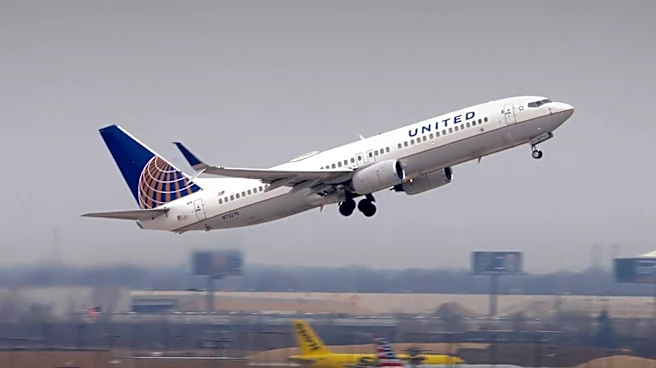
Two separate incidents involving tire blowouts occurred at Chicago O'Hare International Airport on August 17, affecting an American Airlines Boeing 737-800 and a United Airlines Airbus A320. The first incident involved American Airlines Flight 386, arriving
from New York's LaGuardia Airport, which experienced two blown tires upon landing around 2 p.m. local time. Fire trucks surrounded the aircraft, but no injuries were reported among the 180 passengers, who were subsequently bused to the terminal. The runway was temporarily closed for debris clearance. Approximately three hours later, United Airlines Flight 739, arriving from Omaha, Nebraska, also suffered a tire blowout while exiting the runway around 5:30 p.m. local time. Passengers on the United flight, numbering 121 with five crew members, deplaned via airstairs and were bused to the terminal, with no injuries reported. The Federal Aviation Administration (FAA) is investigating both incidents, though there are no suggestions that the blowouts are related.
Why It's Important?
These incidents, occurring within hours of each other at a major international hub like Chicago O'Hare, raise concerns about aviation safety and operational efficiency. While modern aircraft are designed with multiple tires to handle such events safely, the repeated occurrence highlights potential issues that warrant thorough investigation. For the airlines involved, American and United, these events can lead to operational disruptions, flight delays, and increased maintenance costs. More broadly, they can impact passenger confidence in air travel safety. The FAA's investigation will be crucial in determining if there are any systemic issues, such as maintenance practices, runway conditions, or manufacturing defects, that contributed to the tire failures. The findings could lead to updated safety protocols, maintenance advisories, or even design modifications, affecting the broader aviation industry and ensuring continued safety for millions of travelers.
What's Next?
The Federal Aviation Administration (FAA) has initiated investigations into both tire blowout incidents at Chicago O'Hare. These investigations will likely examine various factors, including aircraft maintenance records, runway conditions, weather, and operational procedures. The affected aircraft, the American Airlines Boeing 737-800 and the United Airlines Airbus A320, have been taken out of service for inspection by their respective maintenance teams. Depending on the findings, the FAA may issue safety alerts, airworthiness directives, or recommendations to airlines and manufacturers. Airlines may review and potentially revise their maintenance schedules and pre-flight inspection protocols. Passengers affected by these incidents may experience continued delays as investigations proceed and aircraft are repaired or replaced. The outcomes of these investigations could influence future aviation safety regulations and industry best practices.
Beyond the Headlines
Beyond the immediate safety concerns, these incidents underscore the immense logistical challenges faced by major airports and airlines when unexpected events occur. The temporary closure of runways, even for a few hours, can create a ripple effect of delays and cancellations across the national air traffic network, impacting thousands of passengers and airline schedules. The incidents also highlight the resilience of modern aircraft design, where multiple tires allow for safe landings even with failures, and the professionalism of flight crews in managing such situations. However, the psychological impact on passengers, even without injuries, can be significant, potentially leading to increased anxiety about air travel. From a broader perspective, these events contribute to the ongoing dialogue about infrastructure investment in airports, the need for continuous technological advancements in aircraft components, and the rigorous oversight required to maintain the highest standards of aviation safety in a high-volume travel environment.