






What's Happening?
The United Nations and its partners, including the International Organization for Migration (IOM) and the United Nations High Commissioner for Refugees (UNHCR), are raising alarms over a severe humanitarian crisis in Sudan. Significant funding gaps have
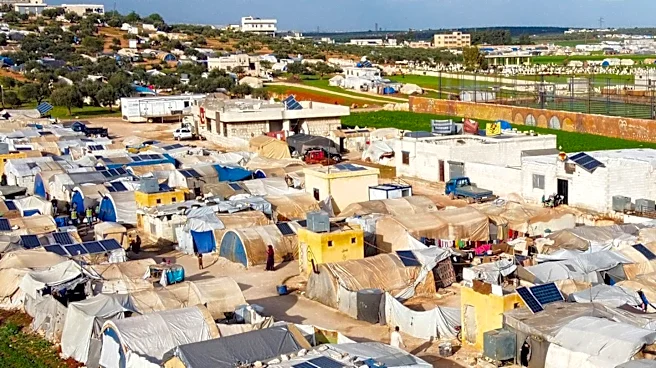
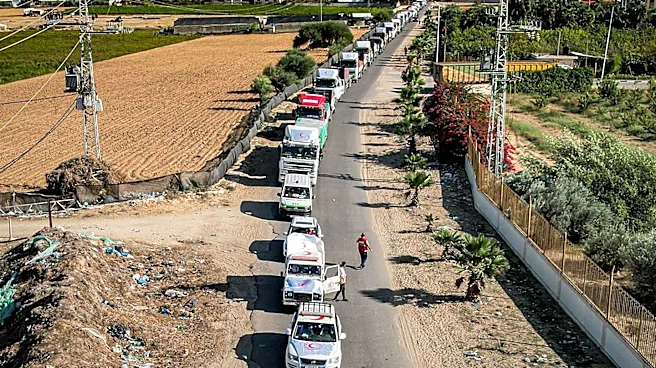
led to a depletion of emergency shelter and basic household goods for displaced populations. The UN's Humanitarian Needs and Response Plan requires $2.9 billion to provide life-saving aid to 20.4 million people, but only 47% of these funds have been secured. This shortfall is exacerbating the suffering of 33.7 million people dependent on humanitarian aid, with 15.4 million specifically needing emergency shelter and basic household items. Aid organizations have only been able to assist 10% of this latter group due to insufficient funding. The crisis is compounded by ongoing conflict between the Sudanese Armed Forces (SAF) and paramilitary Rapid Support Forces (RSF), which has displaced 8.6 million people internally and forced 4.6 million to flee to neighboring countries. Fighting, drone strikes, and logistical challenges continue to impede humanitarian aid delivery.
Why It's Important?
The escalating humanitarian crisis in Sudan, marked by severe funding shortfalls and ongoing conflict, poses a significant challenge to international aid efforts and global stability. The inability to adequately fund the UN's response plan means millions of people will continue to lack essential shelter, food, and medical care, leading to increased mortality rates, particularly among children. The displacement of millions within Sudan and to neighboring countries creates regional instability, potentially leading to further migration crises and strain on resources in already vulnerable areas. The international community's reduced funding for humanitarian aid, as noted by experts like Ivo Körner of Caritas International, reflects a broader trend that impacts the effectiveness of global humanitarian responses. The Sudanese government's rejection of famine warnings and claims of unrestricted aid access further complicate efforts, highlighting a critical disconnect between the on-ground reality and official statements, which can hinder coordinated international action and accountability.
What's Next?
The immediate future for Sudan involves continued calls for increased international aid funding and unimpeded humanitarian access. The United Kingdom and 31 other international partners have issued a joint statement urging warring parties to allow aid delivery and demanding an increase in international funding. However, the effectiveness of these appeals is questioned, as many signatory countries have themselves reduced humanitarian aid. Aid organizations like Caritas International are increasingly relying on private donations to sustain their projects. The ongoing conflict, characterized by fighting and drone strikes, is expected to continue to obstruct aid efforts and endanger civilians and humanitarian workers. The UN Human Rights Office has reported a high number of civilian casualties from drone attacks, indicating a persistent threat. Local partner organizations are becoming increasingly crucial for reaching affected populations due to their established trust and access in difficult-to-reach areas. The Sudanese government's stance on the crisis suggests that political obstacles to aid delivery and accurate reporting will likely persist.
Beyond the Headlines
The crisis in Sudan extends beyond immediate humanitarian needs, revealing deeper ethical and political implications. The systematic reduction in humanitarian aid funding by international donors, including major Western countries, raises questions about global responsibility and the prioritization of crises. This trend suggests a potential shift in international aid policy, where long-term commitments are being scaled back, leaving vulnerable populations in dire circumstances. The use of sexual violence as a weapon of war, as reported by Doctors Without Borders, highlights severe human rights abuses that demand greater international attention and accountability. The Sudanese government's denial of the severity of the crisis and obstruction of aid can be seen as a form of political manipulation, potentially aimed at controlling narratives and deflecting international pressure. This situation underscores the complex interplay between conflict, governance, and humanitarian response, where political will and ethical considerations are paramount in addressing widespread suffering.