What's Happening?
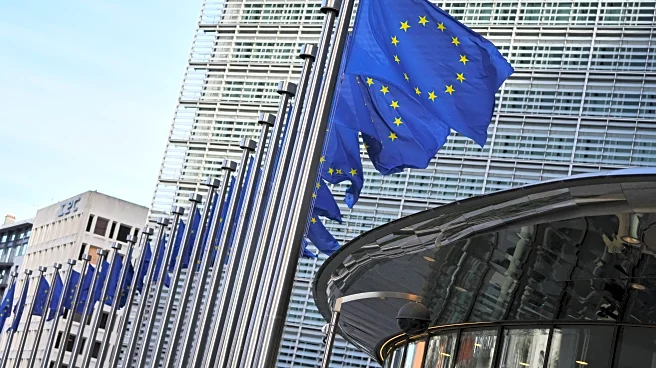
The Trump administration has imposed visa bans on five prominent European figures, including former EU Internal Market Commissioner Thierry Breton, accusing them of censoring free speech by targeting U.S.
tech giants with stringent regulations. This move is a response to the EU's Digital Services Act, which aims to regulate digital platforms to combat disinformation and ensure accountability. The U.S. perceives these regulations as unfairly burdensome to American companies. European leaders, including French President Emmanuel Macron, have reacted strongly, condemning the U.S. action as intimidation and an attempt to undermine European digital sovereignty.
Why It's Important?
This development highlights the growing tension between the U.S. and the EU over digital regulation and free speech. The visa bans could strain transatlantic relations, as they challenge the EU's right to regulate its digital market. The U.S. move is seen as a defense of American tech companies and free expression, but it risks escalating into a broader geopolitical conflict. The situation underscores the differing approaches to internet regulation between the U.S., which prioritizes free speech, and the EU, which emphasizes accountability and combating disinformation.
What's Next?
The EU is expected to seek clarification from U.S. authorities and may consider retaliatory measures. The ongoing dispute could lead to further diplomatic tensions and impact negotiations on digital trade and cooperation. Both sides may need to engage in dialogue to prevent further escalation and find common ground on regulating digital platforms.