


What's Happening?
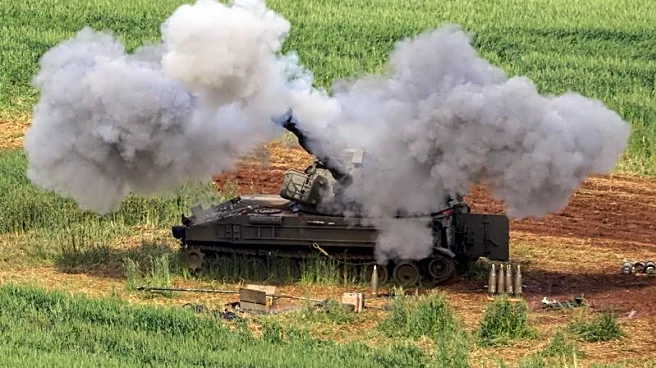
Iranian missile and drone strikes have severely damaged the Ras Laffan liquified natural gas (LNG) terminal in Qatar, the world's largest LNG facility. This attack has caused extensive damage, potentially leading QatarEnergy to declare a 'force majeure'
on long-term contracts, affecting LNG supplies to countries like Italy, Belgium, Korea, and China for up to five years. The Ras Laffan terminal, which supplies about 20% of global LNG demand, is crucial for the energy market. The damage has turned a logistical issue into a structural problem, with repairs expected to take years due to the complexity of LNG infrastructure.
Why It's Important?
The attack on Ras Laffan has significant implications for the global energy market, particularly for LNG prices. As a major supplier of LNG, disruptions at Ras Laffan could lead to prolonged high prices, affecting energy costs worldwide. This situation may force some countries to revert to coal as a cheaper energy source, impacting global efforts to reduce carbon emissions. The incident highlights the vulnerability of critical energy infrastructure to geopolitical conflicts, underscoring the need for diversified energy sources and enhanced security measures.
What's Next?
The global energy market will need to adjust to the reduced LNG supply from Qatar. Countries heavily reliant on Qatari LNG, particularly in Asia and Europe, will need to seek alternative sources or increase coal usage, potentially affecting environmental policies. The repair and recovery process at Ras Laffan will be closely monitored, as it will influence future LNG supply and pricing. Additionally, geopolitical tensions in the Middle East will continue to pose risks to energy infrastructure, necessitating strategic planning and international cooperation to ensure energy security.