
What's Happening?
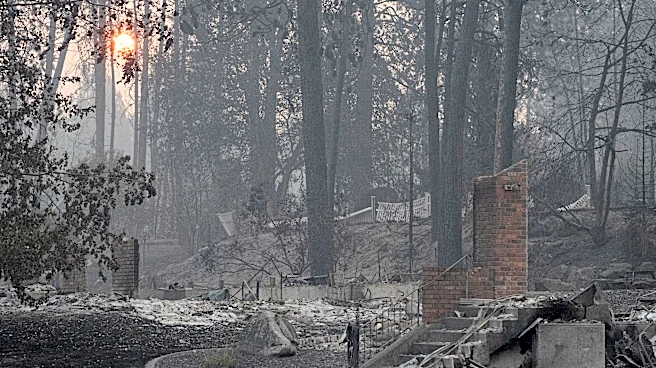
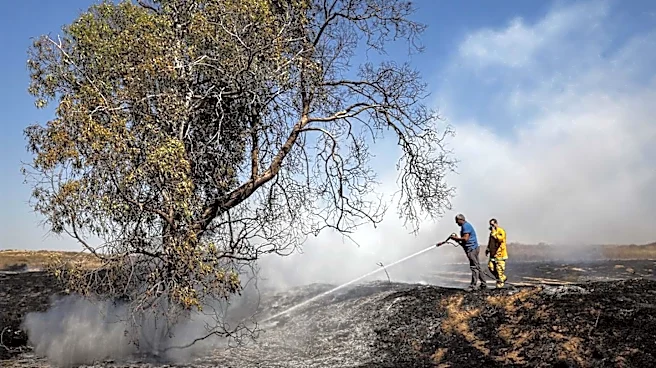
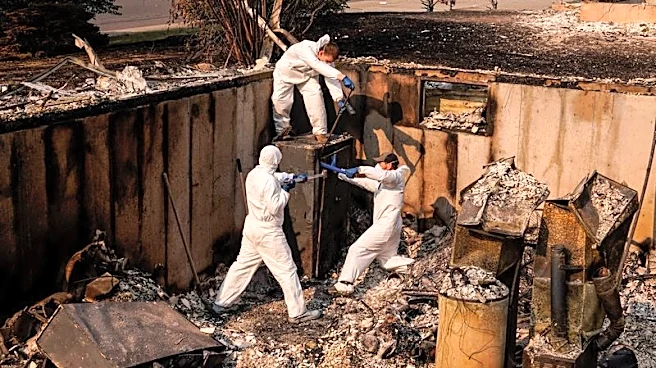
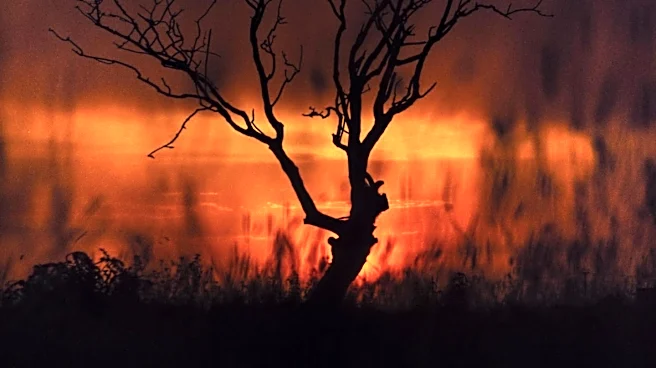
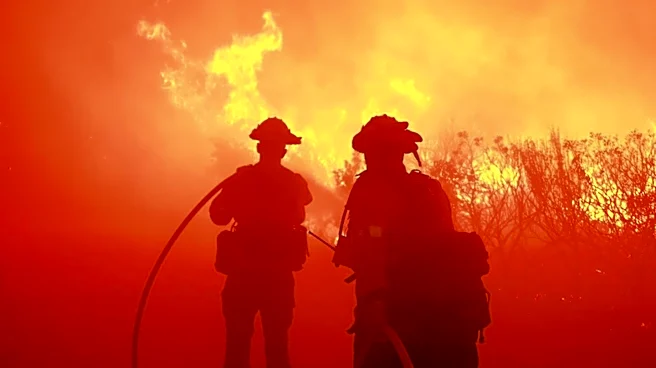
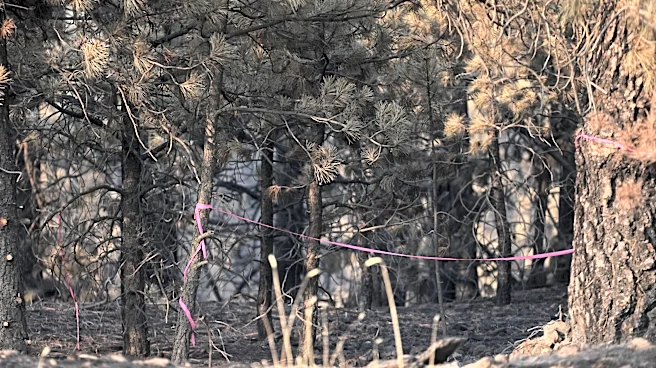
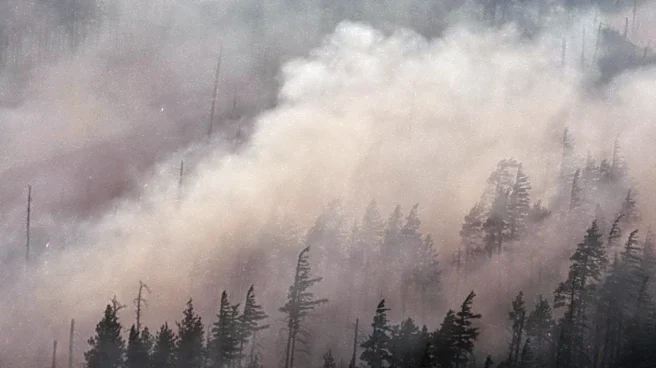
The recent wildfires in Spokane, Washington, have demonstrated how a single act of arson can lead to widespread destruction. The fires, exacerbated by extreme heat, dry vegetation, and strong winds, have destroyed hundreds of homes. The incident underscores
the challenges posed by expanding development in fire-prone areas, where even a small ignition can escalate into a major disaster. The combination of environmental conditions and human actions has transformed the region into a high-risk area for wildfires, highlighting the need for comprehensive strategies to mitigate such risks.
Why It's Important?
This event emphasizes the critical need for effective wildfire management and prevention strategies, particularly in regions susceptible to extreme weather conditions. The destruction caused by the Spokane wildfires serves as a stark reminder of the potential consequences of inadequate preparedness and response measures. As urban development continues to encroach on natural landscapes, the risk of wildfires increases, necessitating a reevaluation of land use policies and emergency response capabilities. The incident also highlights the importance of community awareness and education in preventing human-caused fires, which can have devastating impacts on both the environment and local economies.
What's Next?
In response to the Spokane wildfires, local and state authorities may consider implementing stricter building codes and land use regulations to reduce the risk of future fires. There could also be an increased focus on developing and deploying advanced technologies for early detection and rapid response to wildfires. Additionally, community engagement initiatives aimed at educating residents about fire safety and prevention could play a crucial role in mitigating the impact of future incidents. Policymakers may also explore opportunities for collaboration with environmental organizations to enhance resilience against the growing threat of wildfires.