





What's Happening?
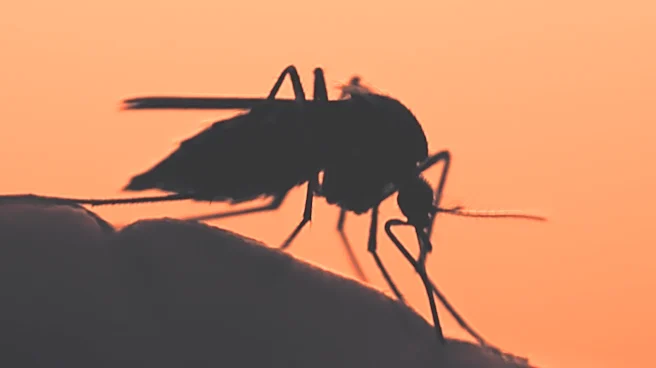
The Louisville Metro Department for Health and Wellness has announced plans for mosquito fogging operations in nine neighborhoods after surveillance traps identified mosquitoes carrying West Nile virus. The affected areas include Old Louisville, St. Joseph,
Rockford Lane, Upper Hunters Trace, Shively, St. Denis, Shawnee, River Park, Portland, and California. Fogging is scheduled to occur from August 25-27, weather permitting, typically during early morning or evening hours when mosquitoes are most active. This action is a preventative measure to reduce the risk of West Nile virus transmission to humans. So far in 2026, Jefferson County has reported only one human case of West Nile virus, a decrease compared to 12 cases in 2025. Residents are advised to take personal precautions such as using insect repellent, wearing protective clothing, and eliminating standing water around their homes.
Why It's Important?
The detection of West Nile virus in multiple Louisville neighborhoods and the subsequent fogging operations highlight the ongoing public health challenge posed by mosquito-borne diseases in urban areas. While the number of human cases in Jefferson County is currently low, the presence of infected mosquitoes indicates a potential risk to the community. Public health initiatives like fogging are crucial for controlling mosquito populations and preventing outbreaks, especially in densely populated areas where the virus can spread more easily. This situation underscores the importance of continuous surveillance and proactive measures by local health departments to safeguard residents. It also serves as a reminder for individuals to adopt personal protective behaviors, as these diseases can lead to severe health complications, though most cases are mild.
What's Next?
The Louisville Metro Department for Health and Wellness will proceed with the planned mosquito fogging operations from August 25-27, contingent on weather conditions. The department's mosquito control team will continue its year-round monitoring of mosquito activity and populations across Louisville. Residents in the affected and surrounding areas are encouraged to remain vigilant and follow health officials' recommendations, including using insect repellent, wearing long sleeves and pants when outdoors, and removing any standing water from their properties to prevent mosquito breeding. The department will likely continue to update the public on the effectiveness of the fogging and any further developments regarding West Nile virus activity in the region. Continued public awareness campaigns are also anticipated to reinforce preventive measures.
Beyond the Headlines
The recurring issue of West Nile virus in U.S. cities like Louisville points to broader environmental and public health considerations. Mosquito-borne diseases are often exacerbated by factors such as climate change, which can lead to warmer temperatures and increased rainfall, creating ideal breeding conditions for mosquitoes. The reliance on chemical fogging, while effective in the short term, also raises questions about its long-term environmental impact and potential effects on non-target species. This situation highlights the need for integrated pest management strategies that combine chemical controls with biological methods, habitat modification, and sustained public education. Furthermore, it underscores the importance of robust public health infrastructure capable of rapid surveillance, testing, and response to emerging infectious disease threats, ensuring community resilience against such vector-borne illnesses.