



What's Happening?
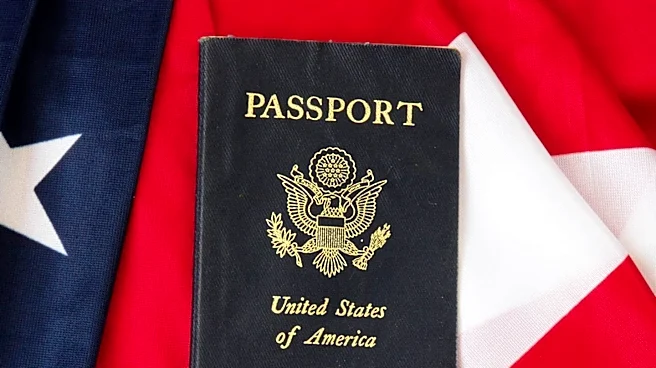
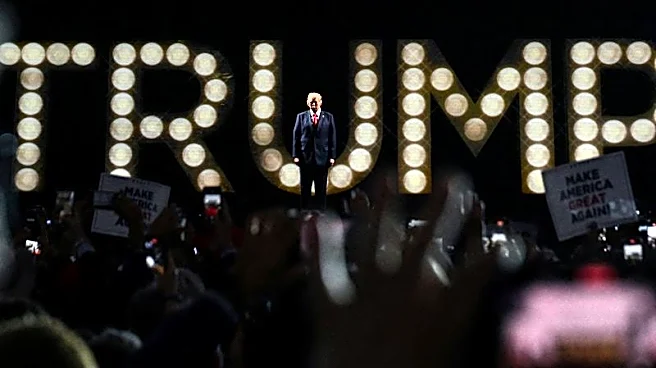
President Trump is actively pursuing changes to how elections are conducted in the United States, focusing on increasing federal oversight. His efforts include the proposed SAVE America Act, which mandates proof of citizenship for voter registration and requires
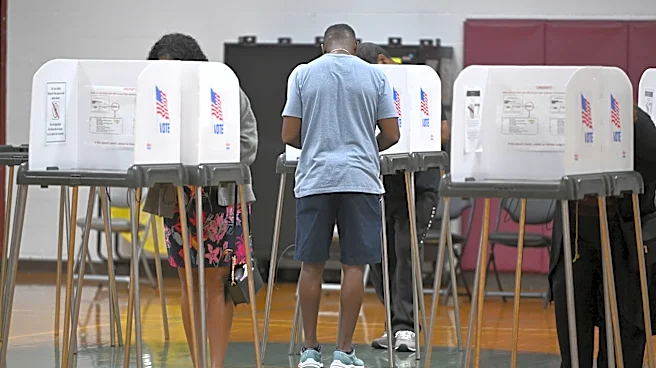
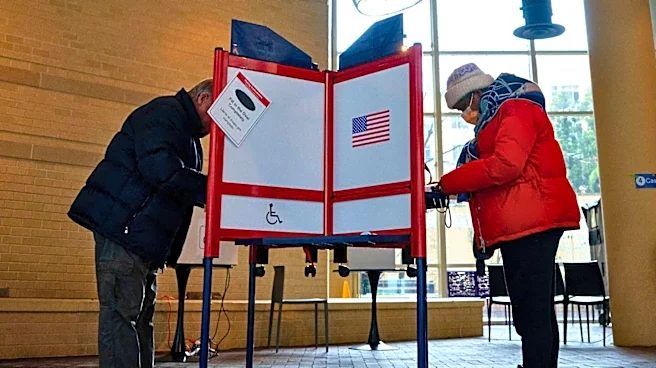
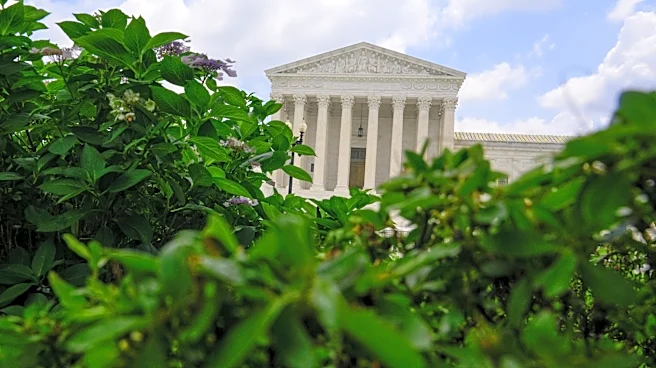
states to share voter data with the Department of Homeland Security. Despite these efforts, Trump faces significant resistance from both the courts and within his own party. A federal judge recently ruled that a database used to determine voter eligibility violated privacy laws, leading to the removal of U.S. citizens from voter rolls based on inaccurate information. Additionally, the Supreme Court upheld state laws allowing mail ballots postmarked by election day to be counted even if they arrive late, a decision that Trump criticized. The administration's push has also led to proposed changes in mail voting, with an executive order seeking to limit mail ballots unless states comply with federal data sharing demands.
Why It's Important?
The ongoing efforts by President Trump to reshape election processes have significant implications for the balance of power between federal and state governments. The push for federal control over elections challenges the traditional state authority, raising concerns about privacy and voter suppression. The legal setbacks highlight the judiciary's role in maintaining checks and balances, ensuring that federal overreach does not infringe on constitutional rights. The resistance from within Trump's party and the broader political landscape underscores the contentious nature of election reforms, which could impact voter turnout and trust in the electoral process. These developments are crucial as they could influence future elections and the democratic process in the U.S.
What's Next?
As the legal battles continue, the administration remains determined to implement its agenda before the upcoming elections. The White House is confident that the executive order limiting mail ballots will be in place by November. Meanwhile, postal workers and election officials are preparing for potential changes, which could disrupt established voting procedures. The ongoing legal challenges and political debates are likely to persist, with both sides gearing up for further court rulings and legislative battles. The outcome of these efforts will have lasting effects on how elections are conducted and perceived in the United States.