



What's Happening?
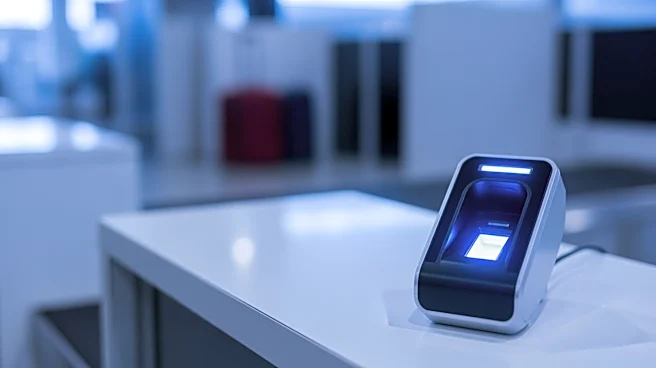
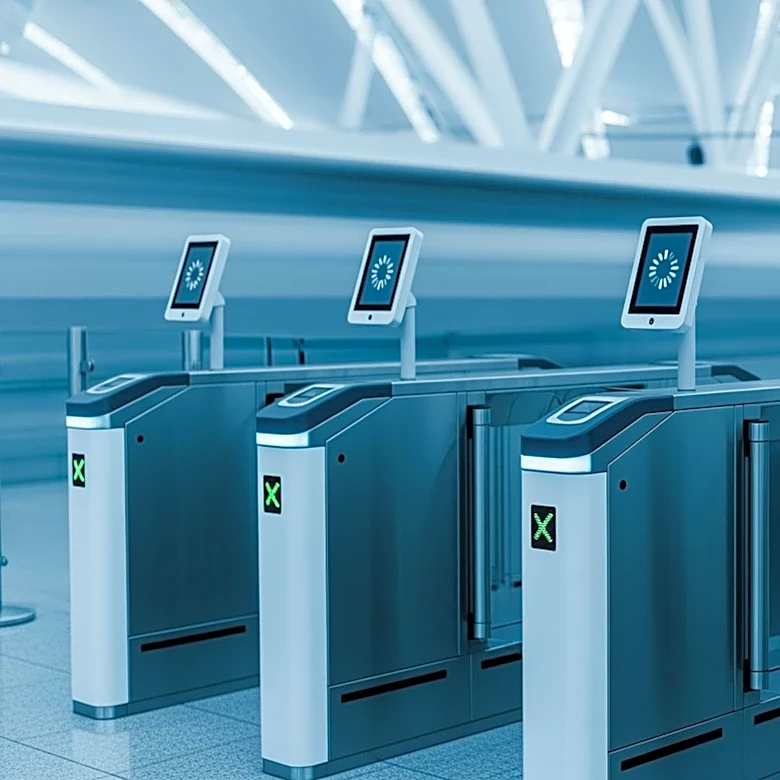
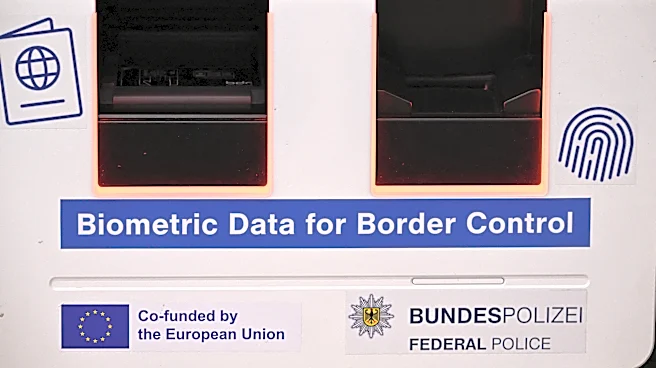
The European Union has fully implemented a biometric Entry/Exit System (EES) at all border crossings in the Schengen Area as of April 10, replacing manual passport stamps with face and fingerprint scans. This digital system aims to streamline and secure
border crossings for non-EU nationals on short stays. However, the transition has led to significant delays at airport customs lines, with reports of travelers missing connections due to long waits. According to the Independent, British travelers have been warned of potential waits up to six hours at popular European destinations such as Italy, Portugal, and Spain. Some travelers have reported that biometric kiosks are not yet operational or are out of service, and there is a lack of communication to passengers.
Why It's Important?
The implementation of the EES is significant as it represents a major shift in how border security is managed in the EU, potentially affecting millions of travelers. The delays and operational issues could deter tourists, impacting the travel and tourism industry. According to the World Travel & Tourism Council (WTTC), if travelers face regular waits of three to four hours, around one-third may choose not to visit the Schengen Area, potentially resulting in a loss of up to 41 million visitor arrivals and $45.4 billion in visitor spending. This could have a substantial economic impact on countries within the Schengen Area that rely heavily on tourism.
What's Next?
To address these issues, the WTTC suggests that governments, border authorities, and the travel and tourism sector work together to ensure smoother implementation. Solutions such as digital pre-registration tools, improved traveler communications, and ensuring operational readiness at border crossing points are recommended to reduce friction and deliver a seamless experience for travelers. The success of these measures will be crucial in maintaining the attractiveness of the Schengen Area as a travel destination.