


What's Happening?
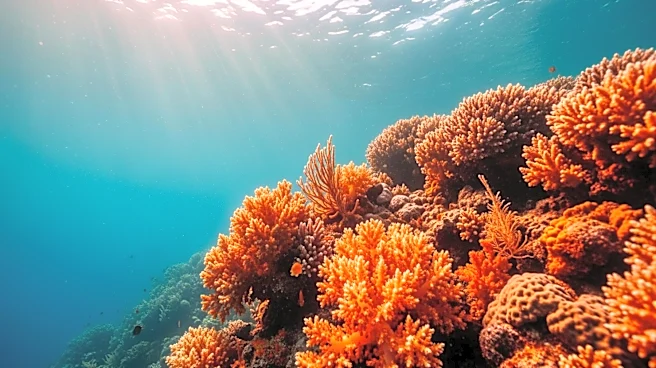
An extreme marine heat wave is affecting the Pacific Ocean off the coast of California, breaking daily temperature records and raising concerns about its impact on coastal weather and ecosystems. The heat wave, which began forming at the end of last year,
has intensified recently, with surface water temperatures reaching 68.5 degrees, significantly above average. This phenomenon is reminiscent of 'the blob,' a similar event from 2014 to 2016 that caused widespread ecological disruption. Factors contributing to the current heat wave include a persistent high-pressure ridge over Southern California and weaker coastal winds, which typically facilitate upwelling of cold water. Climate change is also playing a role, pushing ocean temperatures to new highs. The situation is expected to persist, with a 70% chance of continuing through December, potentially exacerbated by an emerging El Niño.
Why It's Important?
The ongoing marine heat wave poses significant risks to marine ecosystems and coastal communities. Similar past events have led to mass die-offs of marine life, fishery disasters, and harmful algal blooms. The current heat wave could lead to reduced fog and increased humidity, affecting public health and increasing the risk of wildfires. Additionally, warmer ocean temperatures may enhance the likelihood of hurricanes and tropical storms, potentially impacting California. The event underscores the broader impacts of climate change on oceanic and atmospheric systems, highlighting the need for adaptive strategies to mitigate these effects.
What's Next?
As the marine heat wave continues, scientists and policymakers will need to monitor its progression and potential impacts closely. The development of El Niño could further intensify the situation, necessitating preparedness for possible extreme weather events. Coastal communities may need to adapt to changing conditions, such as increased humidity and altered weather patterns. Long-term, addressing the root causes of climate change will be crucial to preventing similar events in the future.
Beyond the Headlines
The recurring nature of such marine heat waves suggests a possible long-term adjustment of the Pacific Ocean to climate change. This raises questions about the resilience of marine ecosystems and the capacity of current management practices to cope with these changes. The situation also highlights the interconnectedness of oceanic and atmospheric systems, emphasizing the need for comprehensive climate policies that address both marine and terrestrial impacts.