





What's Happening?
The Alaska Center for Energy and Power (ACEP) at the University of Alaska Fairbanks has been awarded $3 million by the Office of Naval Research. This funding is designated to support research into technologies aimed at strengthening energy systems in remote
and strategically important regions. This award marks the fourth phase of the Alaska Regional Collaboration for Technology Innovation and Commercialization (ARCTIC) program, which was established in 2017 and is slated to continue through 2031. With this latest contribution, ACEP has accumulated $33 million through the ARCTIC program. The program facilitates collaboration among researchers, local communities, and industry partners to test and evaluate energy technologies within real-world operational environments. Jeremy Kasper, principal investigator of the ARCTIC program and ACEP director, highlighted that this phase will include applied research on energy security and cyber protection of energy systems, topics of increasing importance in Alaska, the Arctic, and Pacific regions.
Why It's Important?
This funding is crucial for enhancing energy resilience in remote U.S. regions, particularly Alaska, which faces unique challenges due to its geography and climate. The research conducted by ACEP through the ARCTIC program directly addresses critical issues such as reducing reliance on vulnerable fuel supply chains, improving the efficiency and reliability of electric power systems, and bolstering cyber and physical resilience against potential threats. By developing and testing solutions in Alaska's isolated communities, the program generates knowledge applicable to other Arctic, Pacific, and defense-related settings, thereby contributing to national security and energy independence. The long-term, community-based approach ensures that technological advancements are practical and directly benefit communities, while also fostering a skilled workforce capable of operating complex energy systems. This initiative helps bridge the gap between energy research and practical deployment, accelerating the development of more robust energy infrastructures.
What's Next?
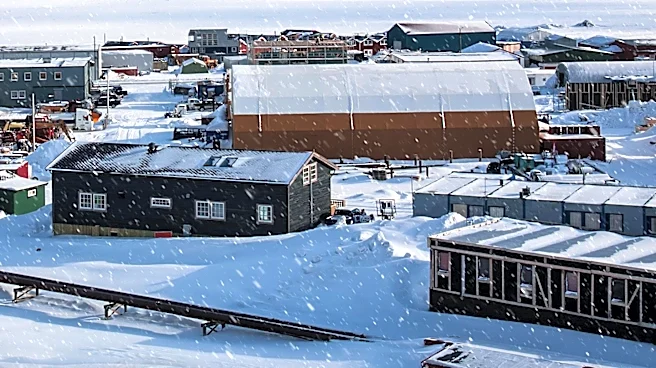
The ARCTIC program will continue its work through 2031, building on ACEP’s existing partnerships with Alaskan communities such as Galena, Kotzebue, and Cordova. Researchers will utilize these communities' microgrids as test beds for their studies. The focus will remain on challenges pertinent to remote and isolated areas, including high energy costs, limited infrastructure, difficult operating conditions, and extended supply chains. The program aims to develop and test solutions that can address these issues effectively. Furthermore, the research will delve into energy security and the cyber protection of energy systems, reflecting growing concerns in these areas. The collaboration with the UA Anchorage Center for Economic Development and the UAF Center for Innovation will continue to support the program's objectives, ensuring a comprehensive approach to energy innovation and commercialization.
Beyond the Headlines
The implications of this research extend beyond immediate energy solutions, touching upon broader themes of regional autonomy and strategic defense. By strengthening energy systems in remote Alaskan communities, the program indirectly enhances the resilience of critical infrastructure in a geopolitically significant region. The emphasis on cyber protection of energy systems underscores the evolving nature of threats in the digital age, highlighting the need for integrated security measures in energy infrastructure. Moreover, the community-based approach fosters local capacity building and economic development, empowering residents to manage their energy needs more effectively. This initiative also serves as a model for how applied research can directly address the unique challenges faced by remote populations, potentially influencing policy and funding for similar programs in other vulnerable regions across the U.S. and its territories.