
What's Happening?
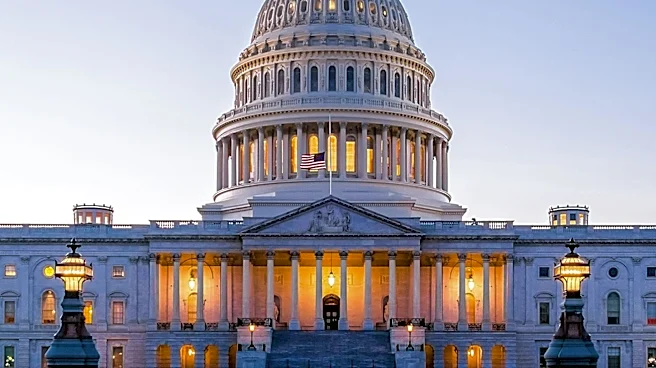
Representative Sam Graves (R-MO), Chairman of the House Transportation and Infrastructure Committee, has introduced the BUILD America 250 Act. This legislation proposes to authorize $75 billion annually
in Highway Trust Fund contract authority, along with an additional $3 billion subject to future appropriations, over a five-fiscal-year period. This represents a seven percent increase over current Infrastructure Investment and Jobs Act (IIJA) levels. A key distinction of the BUILD America 250 Act from the IIJA is its funding strategy; unlike the IIJA, which included $47 billion in multiyear advance appropriations from the general fund, Graves' bill contains no such provisions. Instead, it relies on future congressional action to fund new programs. This legislative effort comes as a Congressional Research Service report projects the Highway Trust Fund's balance will approach zero by fiscal year 2028, necessitating congressional action to either increase revenue or reduce highway programs before the end of that year. The IIJA had authorized $365 billion for highway programs through 2026, with a significant portion drawn from the Highway Trust Fund and additional funds from the Treasury's General Fund.
Why It's Important?
The potential insolvency of the Highway Trust Fund by fiscal year 2028 poses a significant threat to the nation's transportation infrastructure and the broader U.S. economy. The BUILD America 250 Act, as proposed by Representative Graves, offers a distinct approach to funding that could have far-reaching implications for state departments of transportation, federal highway programs, and the public's access to critical infrastructure dollars. The reliance on future congressional action for funding new programs, rather than advance appropriations, introduces a level of uncertainty that could impact long-term planning and project execution. This shift in funding strategy could also influence the policy agenda of future administrations, including that of President Trump, by altering the mechanisms through which federal highway funds are allocated and managed. The debate over this bill will highlight differing philosophies on federal spending, infrastructure investment, and fiscal responsibility, directly affecting the construction industry, transportation logistics, and the daily commutes of millions of Americans.
What's Next?
The BUILD America 250 Act has been introduced and ordered to be reported from committee, indicating it will advance through the legislative process. Congress will face a critical decision point as the Highway Trust Fund's projected insolvency in fiscal year 2028 draws nearer. Lawmakers will need to choose between implementing new revenue-generating measures or making cuts to existing highway programs. The differing funding strategies between the BUILD America 250 Act and previous legislation like the IIJA will likely be a central point of debate, with stakeholders such as state departments of transportation, industry groups, and advocacy organizations weighing in. Future congressional actions will determine the stability and funding levels for federal highway programs, impacting infrastructure projects nationwide. Discussions will also likely involve how to ensure sustained funding for transportation needs beyond the immediate future, potentially leading to broader reforms in how the Highway Trust Fund is financed.
Beyond the Headlines
The debate surrounding the BUILD America 250 Act and the impending insolvency of the Highway Trust Fund extends beyond immediate funding mechanisms to touch upon fundamental questions of national infrastructure policy and economic resilience. The shift away from multiyear advance appropriations towards reliance on future congressional action could introduce greater political volatility into infrastructure planning, potentially leading to delays or cancellations of crucial projects if future funding is not secured. This approach might also place increased pressure on states to find alternative funding sources or scale back their infrastructure ambitions. Furthermore, the discussion highlights the ongoing challenge of maintaining and upgrading aging infrastructure in the U.S., a critical component of economic competitiveness and public safety. The outcome of this legislative effort could set a precedent for how future large-scale federal projects are financed, influencing long-term investment strategies and the balance of power between federal and state governments in infrastructure development.