


What's Happening?
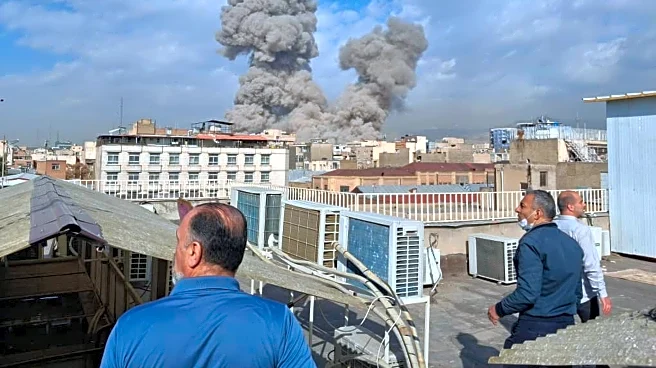
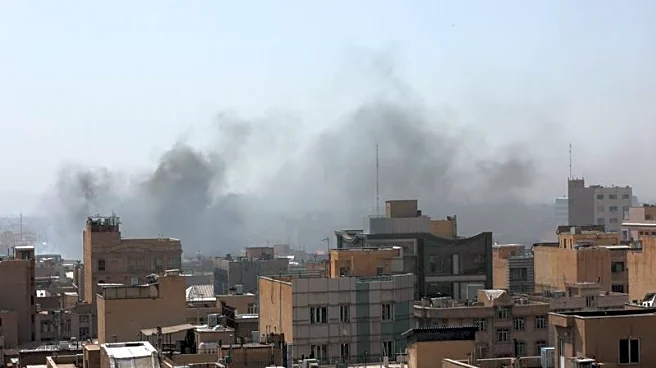
British Prime Minister Keir Starmer has stated that while British forces are active in the Middle East, they were not involved in the recent U.S. and Israeli strikes on Iran. The strikes targeted Iran's senior leadership and have escalated tensions in the region.
Starmer emphasized that preventing Iran from developing nuclear weapons remains a priority for Britain and its allies. He also condemned Iran's leadership and called for a return to diplomatic negotiations. The UK has increased protections for its bases and personnel in response to the heightened regional conflict.
Why It's Important?
The UK's position highlights the complexity of international alliances and the differing approaches to handling Iran's nuclear ambitions. While the U.S. has taken direct military action, the UK is focusing on defensive measures and diplomatic solutions. This distinction underscores the challenges in achieving a unified international strategy towards Iran. The UK's stance may influence other European nations' policies and contribute to broader discussions on nuclear non-proliferation and regional security. The situation also reflects the delicate balance of maintaining international law and protecting national interests.
What's Next?
The UK is likely to continue its diplomatic efforts, working with allies like France and Germany to seek a peaceful resolution to the conflict. The situation may lead to further international discussions on Iran's nuclear program and potential sanctions or negotiations. The UK's role in the Middle East could evolve as it navigates its relationship with the U.S. and other allies. Domestically, the UK government may face scrutiny over its military involvement and foreign policy decisions, particularly in the context of regional stability and international law.