








What's Happening?
A recent study by Stanford University, published in the journal Nature Sustainability, highlights the potential for significant increases in residential water bills in the western United States due to climate change. The study suggests that hotter and
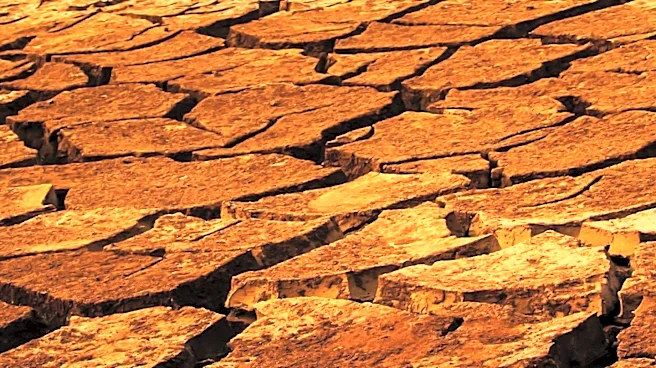
drier weather conditions over the next two decades could necessitate costly drought-resilience projects, such as desalination and water reuse systems. These projects are expected to drive up water costs, potentially doubling monthly charges for some households. The research focused on Santa Cruz, California, a city heavily reliant on local surface water, to analyze the impact of predicted changes in temperature and rainfall on water supplies and costs. The study found that more than 5% of households might have to allocate up to a third of their income to water, leading to difficult trade-offs with other necessities like food and healthcare.
Why It's Important?
The findings of this study underscore a critical intersection between climate adaptation and water affordability, particularly in water-scarce regions like the western U.S. As climate change exacerbates water scarcity, utilities may be forced to invest in expensive infrastructure to ensure reliable water supplies. This could disproportionately affect low-income households, pushing them into severe water affordability crises. The study highlights the need for state and federal interventions to support water access, as the current financing model, which relies on increased water rates, may not be sustainable. The potential rise in water costs could have broader economic implications, affecting household budgets and potentially leading to increased poverty levels in affected areas.
What's Next?
To address the looming water affordability crisis, the study suggests several solutions, including increased assistance through grant and infrastructure financing programs from state and federal governments. Additionally, the establishment of a permanent low-income household water assistance program is recommended. Such interventions are deemed necessary to ensure reliable water access for all, beyond what individual utilities can achieve independently. The study calls for a coordinated effort at multiple government levels to mitigate the impact of climate change on water affordability and to prevent a potential crisis in water-scarce regions.