







What's Happening?
Tucker Carlson, a prominent conservative commentator and former Fox News host, announced on a podcast that he will no longer support the Republican Party. This decision comes ahead of the November midterm elections, marking a significant shift for Carlson, who
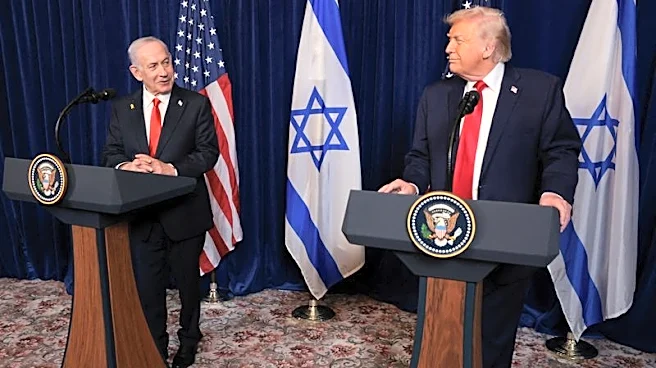
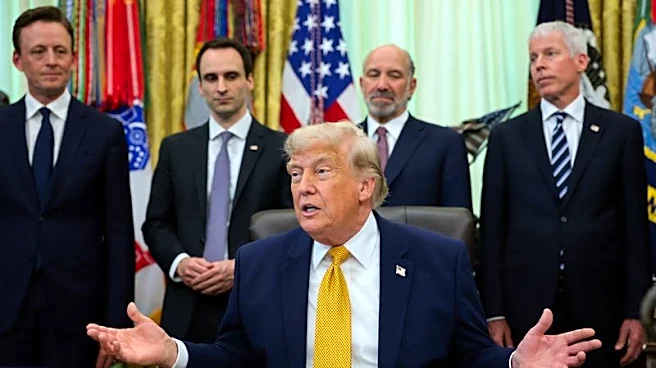
has been a staunch defender of the party for 35 years. Carlson expressed his disillusionment with the party, particularly criticizing its decisions as being influenced by factors other than the interests of American citizens. He specifically mentioned the party's actions in relation to Israel and its donors as being 'treasonous' and 'immoral.' Carlson's break from the party follows his previous support for President Trump in 2024, which he later regretted after the U.S. went to war with Iran. He has since been vocal about his opposition to the war, attributing it to external influences rather than national interest.
Why It's Important?
Carlson's withdrawal of support from the Republican Party is significant given his influence as a conservative voice and his large following. His decision could signal a broader discontent among conservative voters who feel the party no longer represents their interests. This development may impact the Republican Party's strategy and voter base ahead of the midterm elections. Carlson's criticism highlights internal divisions within the party and raises questions about its future direction and leadership. The potential shift in voter allegiance could have implications for upcoming elections, affecting both party dynamics and policy priorities.
What's Next?
As Carlson distances himself from the Republican Party, it remains to be seen how his followers and other conservative figures will respond. The party may face pressure to address the concerns raised by Carlson and others who share his views. This could lead to internal debates and potential shifts in policy or leadership to realign with the party's base. Additionally, Carlson's stance may influence other media personalities and commentators, potentially leading to a broader reevaluation of conservative media's relationship with the Republican Party.