
What's Happening?
A survivor of Jeffrey Epstein's abuse, known only as 'Jane Doe,' has expressed distress after discovering her name was not redacted in the recently released Epstein files by the Department of Justice (DOJ).
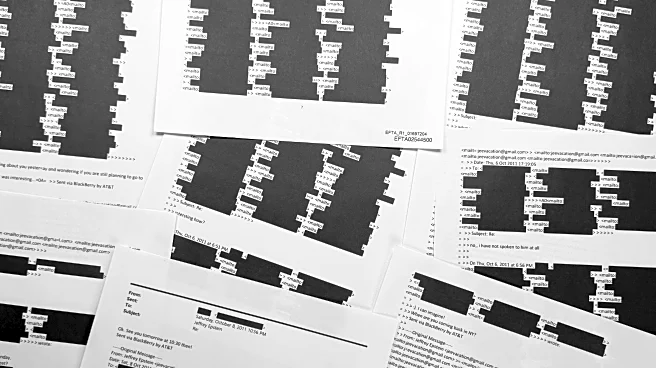
Despite her efforts to have her identity protected, her name appeared multiple times in the documents. Jane Doe, who reported her abuse to the FBI in 2009, has been vocal about the DOJ's failure to safeguard the identities of survivors. The release of these files has been criticized for 'abnormal and extreme redactions' and for leaving some victims' identities exposed, causing immediate harm. Survivors and their representatives have raised concerns about the lack of communication from the DOJ regarding the redaction process and the incomplete disclosure of documents.
Why It's Important?
The unredacted release of names in the Epstein files highlights significant issues within the DOJ's handling of sensitive information, particularly concerning victims of high-profile cases. This incident raises questions about the DOJ's ability to protect victims' identities, potentially deterring future victims from coming forward. The situation underscores the need for transparency and accountability in the justice system, especially in cases involving powerful individuals. The mishandling of these files could have broader implications for public trust in the DOJ and its commitment to justice for victims of abuse.
What's Next?
The DOJ has stated that it is continuing to work on necessary redactions and plans to release more documents in the coming weeks. Survivors and their advocates are likely to continue pressing for better communication and transparency from the DOJ. There may be increased calls for legislative or procedural changes to ensure that victims' identities are protected in future document releases. Additionally, there could be further scrutiny of the DOJ's processes and potential legal actions from affected individuals seeking to protect their privacy.