




What's Happening?
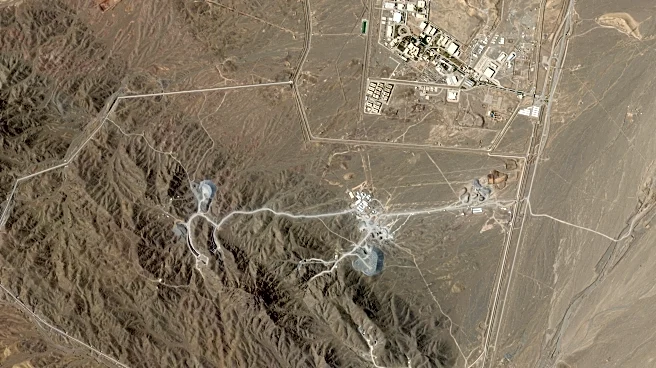
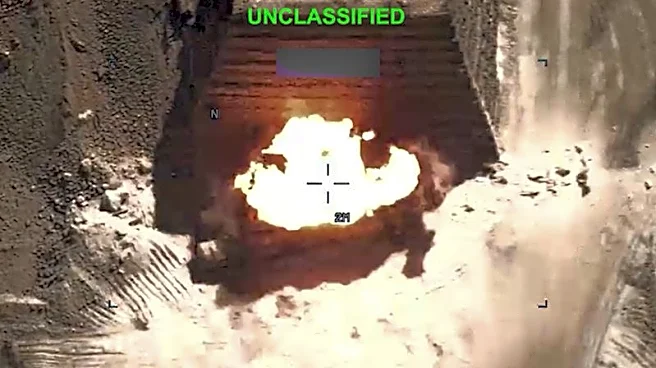
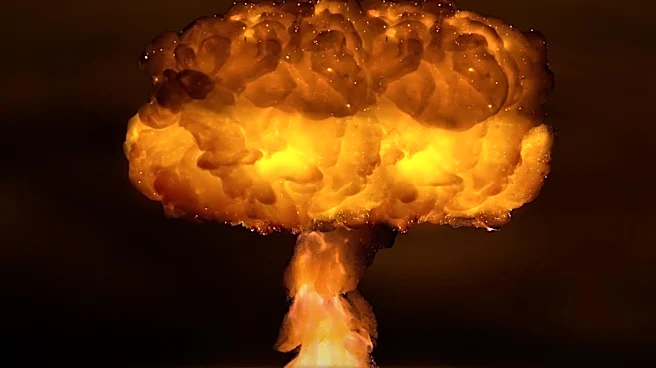
President Trump has announced plans to target Pickaxe Mountain, a site suspected of housing Iranian nuclear activities, as part of the ongoing conflict between the U.S. and Iran. This announcement comes amid a broader military campaign by the U.S. to curb
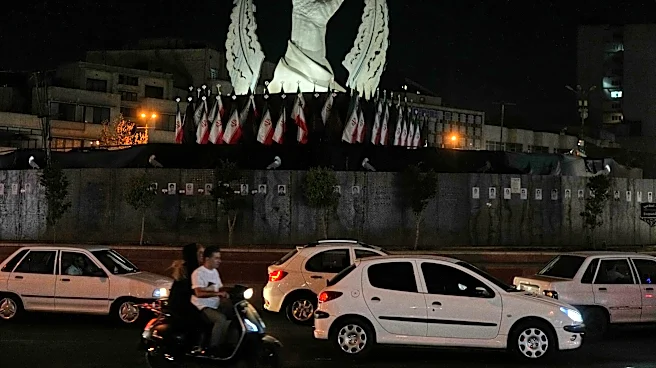
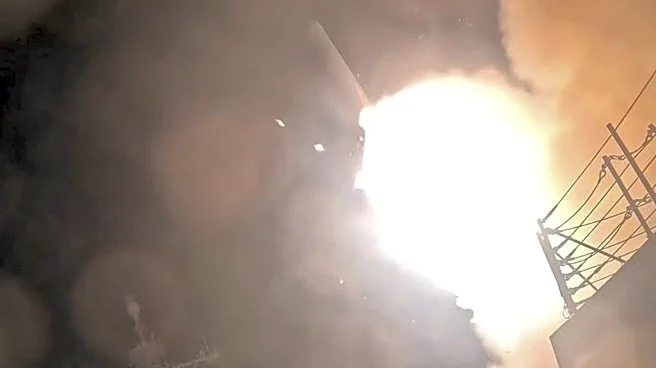
Iran's nuclear capabilities and its control over the Strait of Hormuz. The conflict, which has been ongoing for several months, has seen both nations engage in military actions and rhetoric. The U.S. has been conducting strikes on Iranian military infrastructure, while Iran has threatened to retaliate against U.S. interests in the region.
Why It's Important?
The targeting of Pickaxe Mountain underscores the ongoing concerns about Iran's nuclear ambitions and the challenges faced by the U.S. in addressing these threats. The conflict has significant implications for regional stability and global energy markets, as the Strait of Hormuz is a vital corridor for oil transportation. Disruptions could lead to increased global oil prices, affecting economies worldwide. The situation also highlights the complexities of U.S. foreign policy in the region, balancing military actions with diplomatic efforts to curb Iran's nuclear program. The conflict risks drawing in other regional players, further complicating the geopolitical landscape.
What's Next?
The U.S. is likely to continue its military campaign to limit Iran's capabilities, while Iran may retaliate against U.S. interests in the region. Diplomatic efforts may be strained as both nations remain entrenched in their positions. The international community, particularly countries reliant on oil from the region, will be closely monitoring the situation. Potential diplomatic interventions or negotiations could emerge as stakeholders seek to prevent further escalation. The U.S. administration may face domestic and international pressure to justify its military actions and explore alternative solutions to the conflict.