



What's Happening?
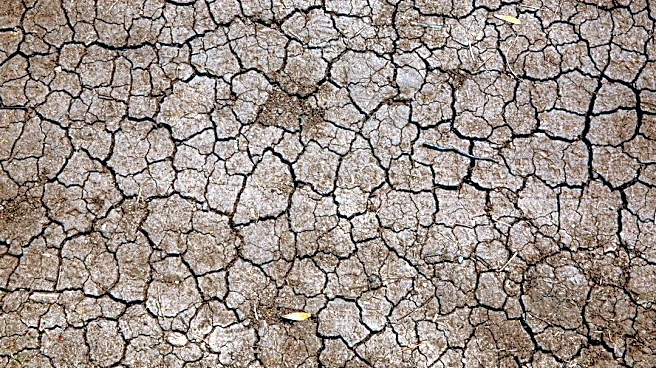
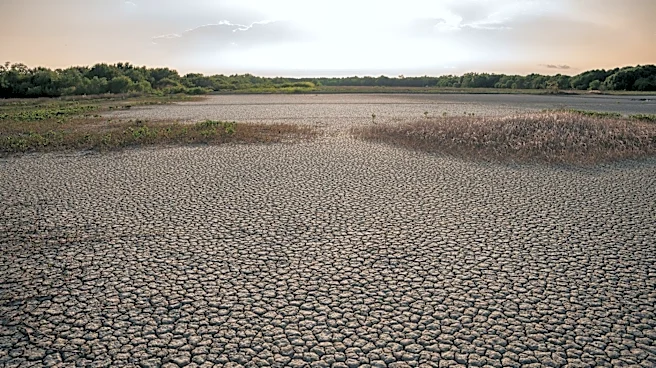
The Maine Drought Task Force has issued a warning that drought conditions in the state are worsening and are on track to match the severity experienced last year. Data indicates that Maine never fully recovered from the previous fall's drought, leaving
the state in a precarious position. The task force, comprising members from state and federal agencies, convened for the first time this year to discuss weather conditions and other drought symptoms. Peter Rogers, co-chair of the task force and director of the Maine Emergency Management Agency, noted that the current conditions were anticipated, stating, 'I heard somebody say last year’s drought affected this year’s drought, and that’s absolutely the case.' The latest U.S. Drought Monitor report shows only 4% of Maine without drought conditions, with 22% abnormally dry, 60% in moderate drought, and 14% in severe drought. The Maine Forest Service, however, reported low wildfire concerns due to shorter days, cooler nights, and improved humidity recoveries.
Why It's Important?
The escalating drought conditions in Maine pose significant threats to various sectors, including agriculture, water resources, and ecosystems. The lack of recovery from last year's drought means that groundwater levels, particularly along the 295/I-95 corridor, remain critically low, impacting both public and private water supplies. For agriculture, the timing is critical as fall crops are highly sensitive in the weeks leading up to harvest, and 85% of Maine cropland is not irrigated, making farmers heavily reliant on rainfall. The drought also affects aquatic ecosystems, with many brooks and streams running dry, potentially stranding migratory fish like salmon and alewives. The long-term impact on salmon populations, which may have lost an entire cohort of juvenile fish from last year's drought, highlights the ecological consequences. The situation underscores the need for effective water management strategies and increased funding for programs like the Farmer Drought Resilience Fund.
What's Next?
The Maine Drought Task Force plans to meet again next month to continue monitoring the situation and will compile its findings into a report in the coming days. Residents are encouraged to conserve water and check private wells as conditions are expected to remain challenging, with forecasts not indicating significant rainfall. The Maine Department of Agriculture, Conservation and Forestry anticipates opening another round of grants through the Farmer Drought Resilience Fund later this fall to assist farms with water management. However, the current annual funding of $300,000 is insufficient to reach all farms in need, prompting the department to seek additional funding from the new Legislature in January. The state will also be influenced by a strong El Niño, which typically brings a slightly warmer and wetter winter, though its benefits for groundwater recharge may be limited to coastal areas.
Beyond the Headlines
The persistent drought in Maine reveals a deeper vulnerability to climate patterns and the long-term implications of environmental shifts. The statement that 'last year’s drought affected this year’s drought' points to a compounding effect, where environmental stressors are not isolated events but rather interconnected challenges that build upon each other. This situation highlights the critical need for proactive climate adaptation strategies, beyond immediate crisis management. The struggle of farmers, who rely on 'hope' for rain, underscores the economic and psychological toll on agricultural communities. Furthermore, the impact on migratory fish populations signals broader ecological disruptions that could alter biodiversity and natural resource availability. The ongoing drought serves as a stark reminder of the interconnectedness of natural systems and the urgent need for sustainable resource management and climate resilience planning.