







What's Happening?
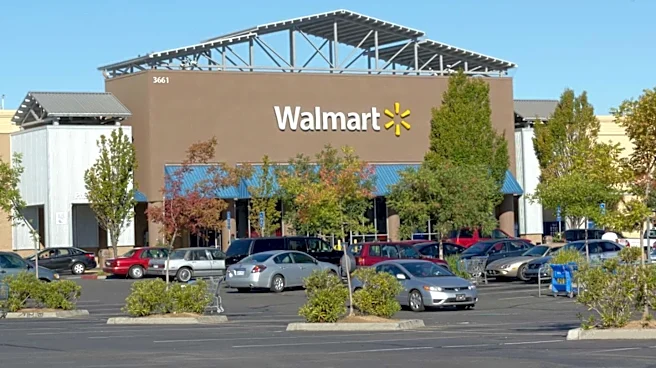
Walmart has agreed to pay $50 million to settle claims that its pharmacies contributed to the nation's opioid epidemic by illegally filling prescriptions for opioids and other controlled substances. Government attorneys alleged in 2020 that since June
2013, Walmart failed to detect suspicious orders and neglected to contact the Drug Enforcement Administration (DEA). The Justice Department stated that members of Walmart’s compliance team were aware that certain prescribers were operating as 'pill mills' but proceeded to fill the prescriptions. Furthermore, when some Walmart pharmacists raised concerns about questionable prescriptions to the compliance team, their warnings were reportedly ignored. An email from a compliance team director indicated that 'driving sales and patient awareness' was prioritized over analyzing refusal-to-fill reports. The Justice Department also claimed that some pharmacists filled prescriptions despite knowing they were invalid. This settlement aims to resolve these allegations and address Walmart's role in the opioid crisis.
Why It's Important?
This settlement underscores the significant legal and ethical responsibilities of large pharmacy chains in combating the opioid crisis. The Justice Department's allegations highlight a potential systemic failure within Walmart's compliance mechanisms, suggesting that profit motives may have overshadowed public health concerns. The case reveals how critical it is for pharmacies to actively monitor and report suspicious prescription patterns to prevent the diversion of controlled substances. For the healthcare industry, this serves as a stark reminder of the severe consequences of non-compliance with federal regulations regarding controlled substances. It also emphasizes the ongoing efforts by the U.S. government to hold corporations accountable for their role in the opioid epidemic, which has resulted in over 800,000 deaths between 1999 and 2023, according to the Centers for Disease Control and Prevention.
What's Next?
In addition to the $50 million settlement, Walmart has entered into a 'memorandum of agreement' with the Drug Enforcement Administration. This agreement outlines future obligations for Walmart in dispensing controlled substances. Key measures include the establishment of a hotline for employees and patients to report suspicious or illegal prescriptions. The DEA will also monitor the prescription dispensing patterns of Walmart pharmacies, and a new process will be implemented to evaluate prescribers. These steps are intended to enhance oversight and prevent future instances of illegal prescription filling. Associate Attorney General Stanley Woodward stated that the settlement demonstrates the Department's commitment to prioritizing the well-being of Americans. A Walmart spokeswoman expressed satisfaction with the resolution of the case, indicating the company's willingness to move forward under the new guidelines.
Beyond the Headlines
The Walmart settlement reflects a broader legal and societal reckoning with the opioid crisis, extending accountability beyond individual prescribers to major corporations involved in the supply chain. This case highlights the complex interplay between corporate responsibility, regulatory oversight, and public health. The allegations of prioritizing sales over compliance raise ethical questions about corporate governance and the pressures faced by employees in large retail environments. The establishment of a hotline and enhanced monitoring mechanisms could set a precedent for other pharmacy chains, potentially leading to industry-wide changes in how controlled substances are dispensed and tracked. This development could also empower pharmacists and other healthcare professionals to report concerns without fear of reprisal, fostering a more robust system for preventing prescription drug abuse.