





What's Happening?
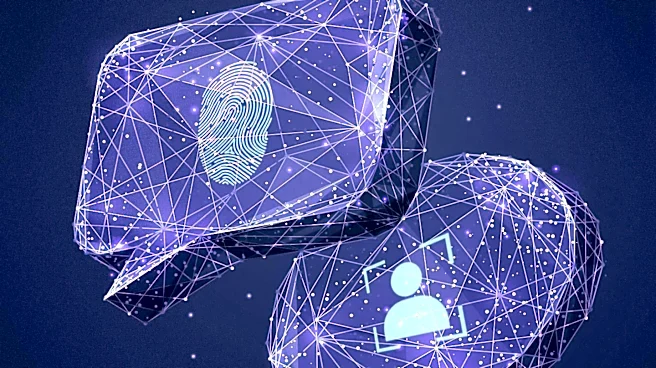
Multi-Factor Authentication (MFA) is being highlighted as a crucial and simple method to enhance online account security. MFA adds an extra layer of protection beyond just a password, requiring a second step to verify a user's identity. This second factor
can be something the user has (like a one-time code sent to a phone or generated by an app) or something they are (such as a fingerprint or facial recognition). The University of Maryland, Baltimore (UMB) publication, The Elm, emphasizes that even if a cybercriminal obtains a password, they cannot access an account without this additional verification step. The article illustrates this with an example of 'James' who had his accounts compromised due to a phishing scam, while 'Ariel', who used MFA, successfully thwarted a similar attack. Most major online services, including email, banking, social media, and shopping sites, offer MFA for free, making it widely accessible to users.
Why It's Important?
The widespread adoption and proper use of Multi-Factor Authentication are critical for safeguarding personal and financial information in the digital age. As cyber threats become more sophisticated, relying solely on passwords, even strong ones, is no longer sufficient. The scenario of 'James' losing control of multiple accounts after a single password compromise underscores the vulnerability individuals face. Conversely, 'Ariel's' experience demonstrates how MFA can effectively block unauthorized access, preventing significant financial loss, identity theft, and the time-consuming process of account recovery. This increased security not only protects individuals but also contributes to the overall integrity of online systems, reducing the burden on financial institutions and service providers to mitigate fraud and cybercrime. The ease of implementation and free availability of MFA across numerous platforms make it an essential tool for digital self-defense, impacting everyone who uses online services.
What's Next?
Individuals are encouraged to immediately enable MFA on their most critical online accounts, starting with email, banking, and investment platforms. The recommendation is to prioritize authenticator apps over SMS-based codes for enhanced security. Users should also continue to use strong, unique passwords for each account and protect their mobile devices with screen locks and automatic updates, as these devices are central to MFA. The article suggests that if a site offers Passkeys, users should utilize them as they represent a very secure version of MFA. Ongoing security awareness programs, like those shared by CITS Security and Compliance with the UMB community, will continue to educate users on best practices to protect themselves online and prevent cyberattacks.
Beyond the Headlines
The emphasis on Multi-Factor Authentication reflects a broader shift in cybersecurity strategy from reactive measures to proactive prevention. The 'human element' remains a significant vulnerability, as demonstrated by phishing scams that trick users into revealing passwords. MFA addresses this by creating a barrier that even a compromised password cannot bypass, thereby reducing the impact of human error or social engineering tactics. This development highlights the increasing responsibility placed on individual users to actively manage their digital security, moving beyond passive reliance on service providers. Furthermore, the push for MFA underscores the evolving nature of digital trust and identity verification, suggesting a future where multi-layered authentication becomes the standard, influencing how online services are designed and how users interact with them, ultimately shaping a more secure digital ecosystem.