






What's Happening?
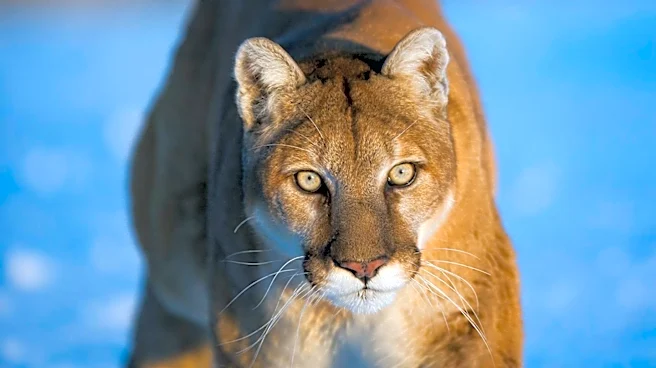
A mountain lion was sighted and subsequently captured in San Francisco's Outer Sunset neighborhood, specifically near the intersection of 44th Avenue and Ulloa Street. Animal control officials were alerted to the presence of the big cat, which led to a standoff.
Video footage captured the mountain lion charging at wildlife officials before it was successfully tranquilized. Following its tranquilization, the animal was carried away on a stretcher by the authorities. The incident prompted a mountain lion alert in the area, indicating the potential danger and the need for public awareness and caution.
Why It's Important?
The presence of a mountain lion in a densely populated urban area like San Francisco's Outer Sunset neighborhood highlights the increasing interaction between wildlife and human settlements. This event underscores the challenges faced by urban planning and wildlife management in maintaining ecological balance while ensuring public safety. Such incidents can lead to heightened public concern about wildlife encroachment and may prompt discussions on urban development, habitat preservation, and animal control protocols. For residents, it raises awareness about the potential for encountering wild animals in unexpected places, necessitating vigilance and adherence to safety guidelines issued by animal control. The successful capture of the mountain lion demonstrates the effectiveness of local animal control agencies in responding to such situations, preventing potential harm to both the animal and the community.
What's Next?
Following the capture, the mountain lion will likely undergo a health assessment by wildlife experts to determine its condition and origin. Authorities will then decide on the most appropriate course of action, which typically involves relocating the animal to a more suitable, less populated natural habitat away from urban areas. This process aims to ensure the animal's well-being while mitigating future risks to the public. The incident may also lead to increased public education campaigns by local animal control and wildlife agencies, advising residents on how to react if they encounter wild animals and how to secure their properties to deter wildlife. Local officials might also review and update their protocols for managing wildlife sightings in urban environments to enhance response efficiency and public safety.
Beyond the Headlines
This event transcends a simple animal sighting, touching upon broader ecological and societal themes. The appearance of a mountain lion in an urban setting can be indicative of habitat loss or fragmentation, forcing wildlife to venture into human-dominated areas in search of food or territory. It prompts a deeper conversation about conservation efforts and the impact of urban sprawl on natural ecosystems. Ethically, it raises questions about how humans coexist with wildlife and the responsibility of urban communities to protect and manage animal populations. Culturally, such events often spark a mix of fear and fascination, reminding urban dwellers of the wildness that still exists on the fringes of their developed environments. The incident could also influence local policies regarding open spaces, green corridors, and wildlife crossings, aiming to create safer pathways for animals and reduce human-wildlife conflict.