



What's Happening?
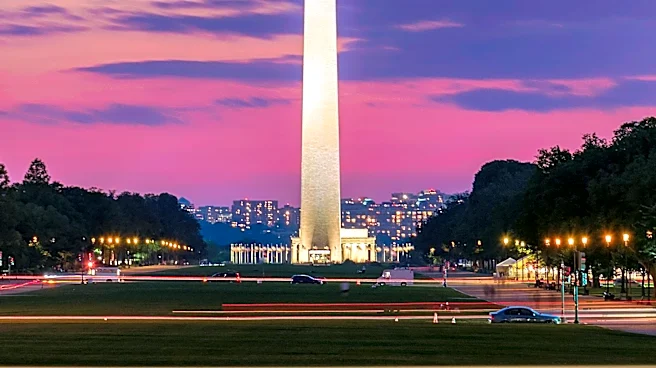
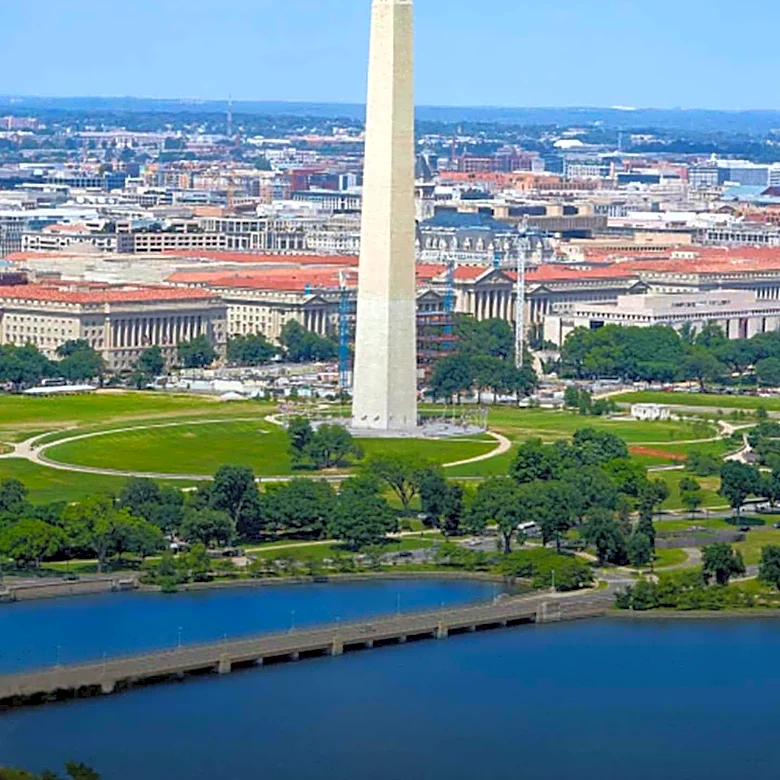
The Fourth of July celebrations in Washington D.C. faced significant disruptions due to extreme weather conditions. The region experienced a combination of oppressive heat and severe thunderstorms, leading to the evacuation of visitors from the National
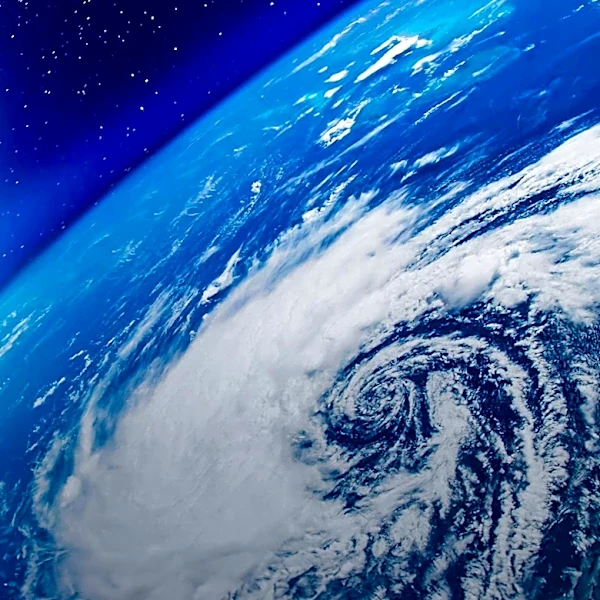
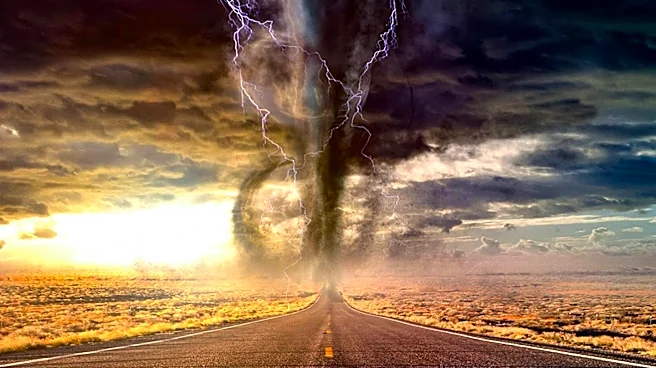
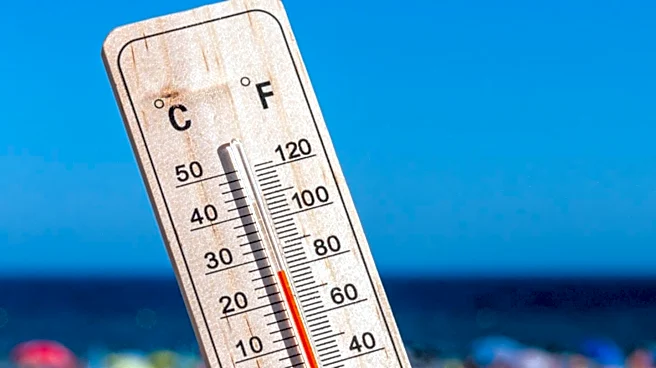
Mall and delays in the scheduled fireworks display. The area was under a code purple air quality alert, indicating unhealthy conditions for all individuals. Record-breaking temperatures were recorded at several locations, including Reagan National Airport, which hit 102 degrees, surpassing a record set in 1919. BWI Marshall also reached 102 degrees, breaking previous records from 1898 and 1966. Dulles Airport tied its record high of 97 degrees, last seen in 1999 and 2002. Despite the storms, the heat and humidity persisted, with forecasts predicting continued high temperatures and more storms in the following days.
Why It's Important?
The extreme weather conditions on Independence Day highlight the growing challenges posed by climate change, particularly in urban areas. The record-breaking heat and severe storms not only disrupted holiday festivities but also posed health risks to residents and visitors. The code purple air quality alert underscores the potential for increased respiratory issues and other health concerns. The disruptions to major public events like the Fourth of July celebrations can have economic implications, affecting local businesses and tourism. Additionally, the power outages and downed trees reported in the area demonstrate the vulnerability of infrastructure to extreme weather events, necessitating improved resilience and preparedness measures.
What's Next?
As the region continues to experience high temperatures and the threat of severe storms, local authorities and event organizers may need to reassess their plans for public gatherings and outdoor activities. The ongoing weather conditions could lead to further cancellations or modifications of events, impacting community engagement and economic activity. Public health advisories may be issued to guide residents on how to stay safe during the heatwave. In the longer term, this event may prompt discussions on climate adaptation strategies and infrastructure improvements to better withstand extreme weather events.