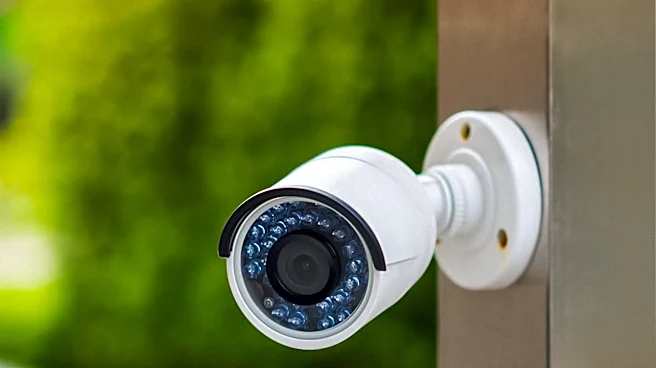









What's Happening?
Atlanta Mayor Andre Dickens has initiated a 30-day review into the use of Flock cameras across the city. This decision follows multiple reports of police abuse of the surveillance system, including incidents involving eight officers in DeKalb County,
which encompasses parts of Atlanta. The review, as detailed in a memo to the city council from a senior city official, will investigate system usage, compliance with existing policies, and identify areas for corrective action and policy strengthening. The announcement comes after significant public outcry, with hundreds of protestors gathering outside Flock Forward's annual conference in mid-August in Atlanta to voice their opposition to the technology. The privacy advocacy group DeFlock also organized 30 protests across Georgia during the conference week, highlighting widespread concerns. The Atlanta metropolitan area reportedly operates approximately 5,000 automated license plate reader (ALPR) cameras.
Why It's Important?
This review is a significant development in the ongoing national debate surrounding surveillance technology and civil liberties. The widespread deployment of ALPRs, like those from Flock Safety, has raised concerns about privacy, data security, and potential for misuse by law enforcement. The actions taken by Mayor Dickens reflect a growing trend of jurisdictions re-evaluating their relationships with commercial surveillance firms due to community protests and documented instances of abuse. The outcome of Atlanta's review could set a precedent for other cities grappling with similar issues, influencing policy decisions on how such technologies are governed and whether their benefits outweigh the risks to individual privacy. The involvement of a major U.S. city in scrutinizing these systems underscores the increasing public and governmental awareness of the implications of pervasive surveillance.
What's Next?
The 30-day review ordered by Mayor Dickens is expected to lead to recommendations for policy changes and corrective actions regarding Flock camera usage in Atlanta. The city council will likely receive updates and potentially vote on new regulations or restrictions based on the review's findings. This could include stricter guidelines for data retention, access, and accountability for officers using the system. Furthermore, the ongoing public and activist pressure suggests that any proposed changes will be closely scrutinized. The situation in Atlanta may also influence other cities and states, particularly given recent restrictions on Flock Safety cameras in Florida and Texas, indicating a broader movement towards increased oversight or even termination of contracts with such surveillance providers. The company, Flock Safety, which is based in Atlanta, will likely face continued pressure to address privacy concerns and demonstrate responsible use of its technology.
Beyond the Headlines
The controversy surrounding Flock cameras in Atlanta highlights a deeper societal tension between security and privacy in the digital age. While proponents argue that ALPRs are crucial tools for crime prevention and solving, critics contend that they contribute to a 'digital AI surveillance state' where citizens' movements are constantly tracked, eroding fundamental civil liberties. The debate extends beyond individual instances of police misuse to the broader ethical implications of collecting and storing vast amounts of personal data without explicit consent or robust oversight. The pushback in Atlanta, alongside similar actions in other U.S. cities and states, suggests a growing public demand for transparency and accountability from both technology providers and government agencies regarding surveillance practices. This movement could lead to a redefinition of acceptable surveillance parameters and potentially influence future legislation on data privacy and the use of AI in law enforcement.