








What's Happening?
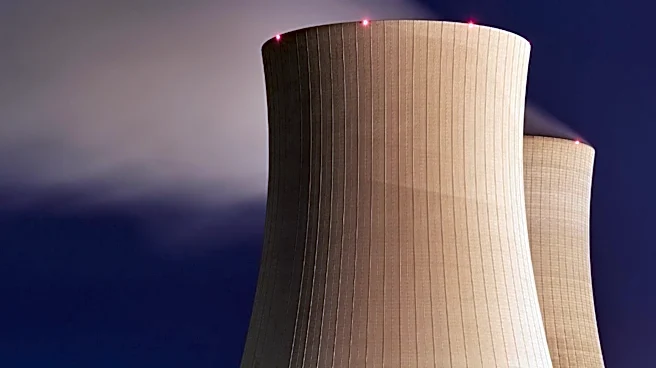
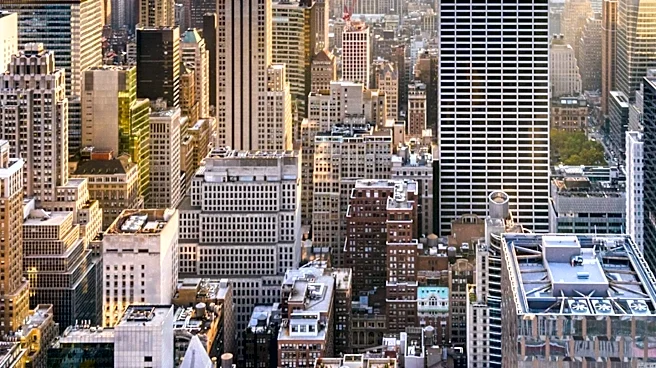
A Legionnaires' disease outbreak in New York City's Upper East Side has resulted in six deaths and hospitalized over 70 individuals. The outbreak, which began in early July, has been linked to a contaminated water-cooling tower in the area. The city's
health department has been actively testing cooling towers in three ZIP codes, identifying 56 buildings with live Legionella bacteria. Despite the severity of the outbreak, no new cases have been reported since July 17, and health officials believe the source of exposure has been eliminated. The outbreak is the second deadly occurrence of Legionnaires' disease in Manhattan in two years, following a similar incident in Harlem last year.
Why It's Important?
The outbreak highlights the critical need for stringent maintenance and monitoring of water-cooling systems to prevent the growth of Legionella bacteria. This incident underscores the potential public health risks associated with infrastructure failures and the importance of regulatory compliance. The recurrence of such outbreaks in Manhattan raises concerns about the effectiveness of current preventive measures and the need for improved oversight. The situation also emphasizes the importance of rapid response and public communication in managing public health crises, as well as the potential economic and social impacts of such outbreaks on affected communities.
What's Next?
The New York City Health Department will continue to monitor the situation and conduct further testing to ensure the complete eradication of the bacteria. Building owners in the affected areas have been ordered to clean and disinfect their cooling towers. The department may also review and potentially tighten regulations regarding the maintenance of cooling systems to prevent future outbreaks. Public health officials will likely focus on increasing awareness and education about Legionnaires' disease and the importance of proper cooling tower maintenance.