





What's Happening?
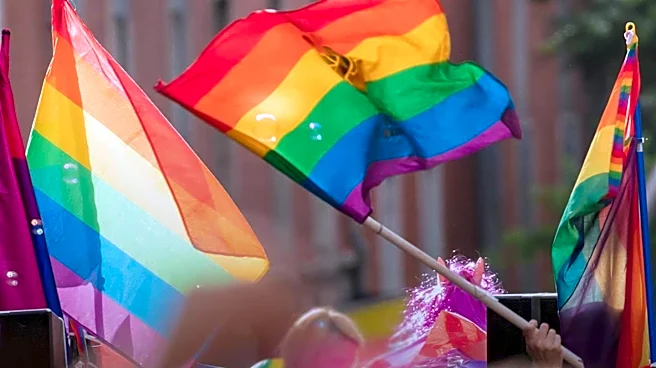
JLL participated in the Atlanta PRIDE Parade, an event that coincides with LGBTQ+ History Month, also known as Queer History Month, celebrated every October. This month intentionally includes National Coming Out Day on October 11 and commemorates the first
National March on Washington for Lesbian and Gay Rights in October 1979. The observance of LGBTQ+ History Month originated in 1994, founded by Missouri history teacher Rodney Wilson, who recognized the absence of LGBTQ+ people and history in educational materials. Wilson's efforts galvanized activists nationwide to establish this month, which is now celebrated globally. The celebration underscores the intertwined nature of queer history with broader human history, acknowledging both struggles and triumphs.
Why It's Important?
The celebration of LGBTQ+ History Month and participation in events like the Atlanta PRIDE Parade are crucial for fostering a sense of belonging and recognizing the contributions of the LGBTQ+ community. As highlighted by the source, progress is sustained when individuals feel seen, heard, and connected. This extends to workplaces, where Employee Resource Groups (ERGs) can create spaces for connection, learning, allyship, and service. For companies like JLL, engaging in such events and supporting ERGs can inspire employees to become advocates and volunteers, extending their sense of belonging beyond the workplace into the wider community. This engagement reinforces the idea that civil rights movements are interconnected and that progress for one community can open doors for others, strengthening society as a whole.
Beyond the Headlines
The historical context of LGBTQ+ History Month, stemming from Rodney Wilson's realization about the lack of inclusion in history lessons, points to a deeper societal issue of historical erasure. The ongoing celebration and corporate participation, such as JLL's, signify a shift towards greater recognition and integration of LGBTQ+ narratives into mainstream consciousness. This movement is not just about visibility but about acknowledging the 'good trouble,' as quoted from Congressman John Lewis, that has been necessary to fight discrimination. The emphasis on belonging and community impact through initiatives like ERGs suggests a growing understanding that diversity and inclusion are not merely ethical imperatives but also catalysts for broader societal and organizational strength. The continuous effort to ensure that LGBTQ+ history is not forgotten is vital for preventing the repetition of past injustices and fostering a more equitable future.